DE
DE  EN
EN  ES
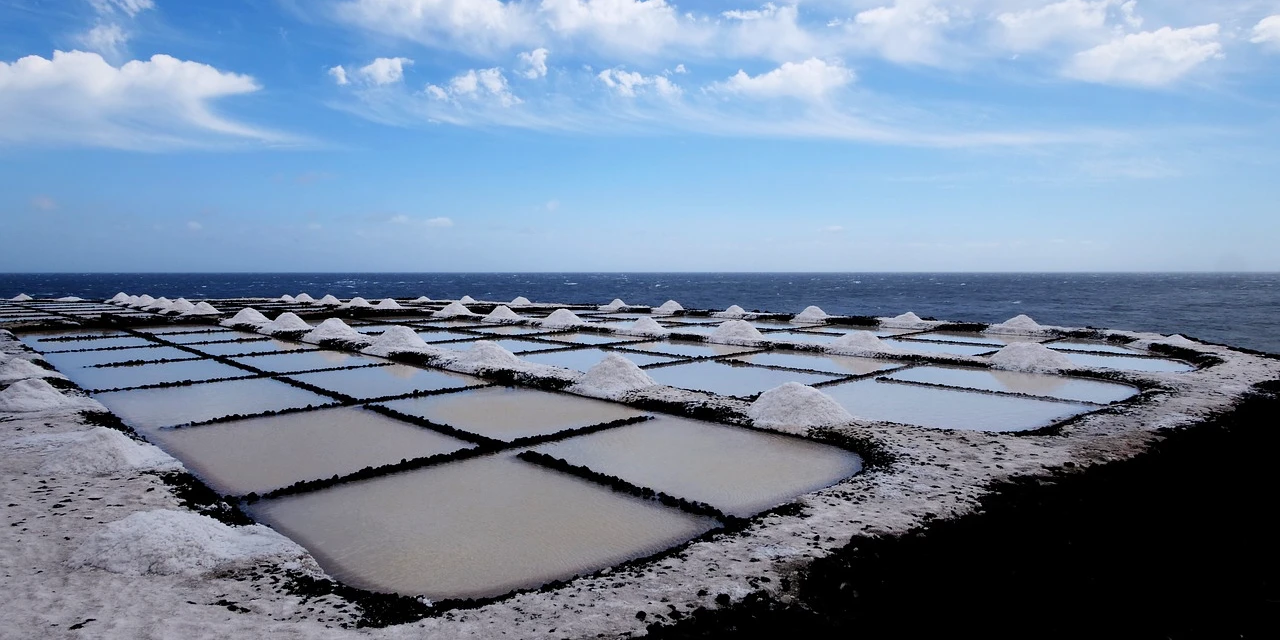
ES The Salinas de Fuencaliente in the south of La Palma are among the most fascinating landscapes of the Canary Islands. Here, bright white salt fields meet the deep blue Atlantic Ocean and the dark lava fields of past volcanic eruptions – a contrast that immediately captivates.
A unique landscape at the island’s end
The dry southern tip of Fuencaliente offers ideal conditions for traditional salt production. At the same time, the area is a protected natural site, as numerous migratory birds rest and nest here. Nature, craftsmanship, and history blend together in a truly special way.
Holiday accommodation La Palma
Traditional salt production since 1967
The salt pans were founded in 1967 by Fernando Hernández and are still run by the family today. They are the last actively operating saltworks in the province of Santa Cruz de Tenerife.
The construction method – known as “Salina nueva de barro con forro de piedra” – combines lava stone borders with a clay base. Seawater is pumped into the basins and evaporates through sun and wind until pure sea salt remains.
Even today, harvesting is largely done by hand using traditional tools such as:
- Cedazo (sieve)
- Pala (shovel)
- Rastrillo (rake)
- Carretilla (wheelbarrow)
Particularly sought after is the fine Flor de Sal, which forms as the first layer of crystals on the water’s surface.
The influence of the Teneguía volcano
The eruption of Volcán Teneguía in 1971 had a lasting impact on the region. Lava flowed to within about 200 meters of the salt pans. Today, the salt produced here is marketed under the name “Sal Marina Teneguía” – a direct connection to the island’s volcanic history.
Visitor center, restaurant & experience
Today, the salt pans are not only a production site but also an exciting excursion destination. The visitor center offers insights into salt production as well as the local flora and fauna.
Right next door is the restaurant “El Jardín de la Sal,” which combines local cuisine with ocean views. A small shop offers salt products and souvenirs.
A lovingly designed educational trail leads along the basins and explains the entire process – ideal for a relaxed walk with an educational touch.
The Fuencaliente lighthouse
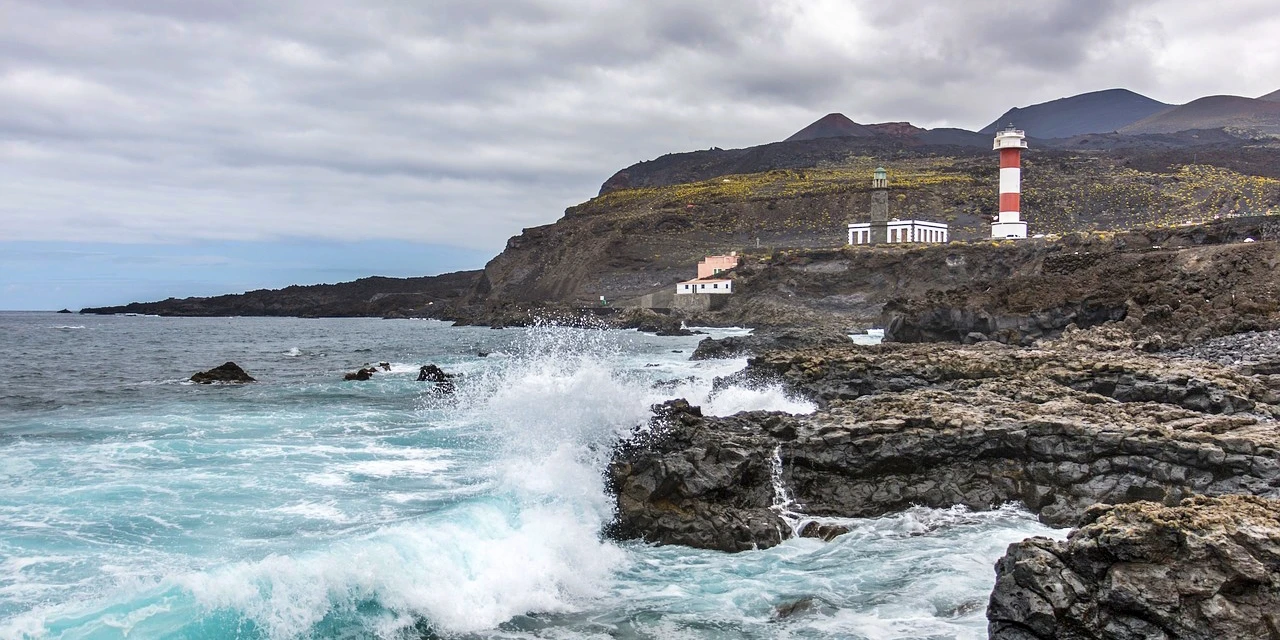
Right next to the salt pans stands the Faro de Fuencaliente.
The original lighthouse dates back to the late 19th century but was damaged by earthquakes. In 1985, a modern 24-meter-high tower was built.
The old building now houses a marine museum and an information center dedicated to the protection of the surrounding waters – another fascinating stop during your visit.
Swimming between lava and the Atlantic
Just a few steps from the salt pans, there is a small, natural swimming cove. In good weather, it’s definitely worth bringing your swimwear and enjoying a refreshing dip in the Atlantic Ocean.
Conclusion: The Salinas de Fuencaliente are far more than just a photo spot. They combine nature, history, tradition, and enjoyment in a unique way. Anyone visiting La Palma should definitely include this special place in their plans.
Whether as a stop on an island tour or as a destination in its own right – here you can experience the Canary Islands at their most authentic.
Are you ready to discover La Palma?
Now is the perfect time to start planning your trip.
Our team knows the island personally and understands exactly which places you shouldn’t miss – from charming coastal towns and historic old quarters to idyllic mountain villages with breathtaking views.
Let our experts advise you and find the perfect accommodation for your holiday on La Palma – full of authentic places, Canarian culture, and unforgettable experiences.
Email:
Phone: +34 675 400 700