DE
DE  EN
EN  ES
ES If you’ve ever dreamed of seeing a night sky so clear that you can recognize the Milky Way with the naked eye, then you should definitely visit the island of La Palma. This small Canary Island is considered one of the best places in Europe for stargazing and attracts astronomers, photographers, and nature lovers from all over the world.
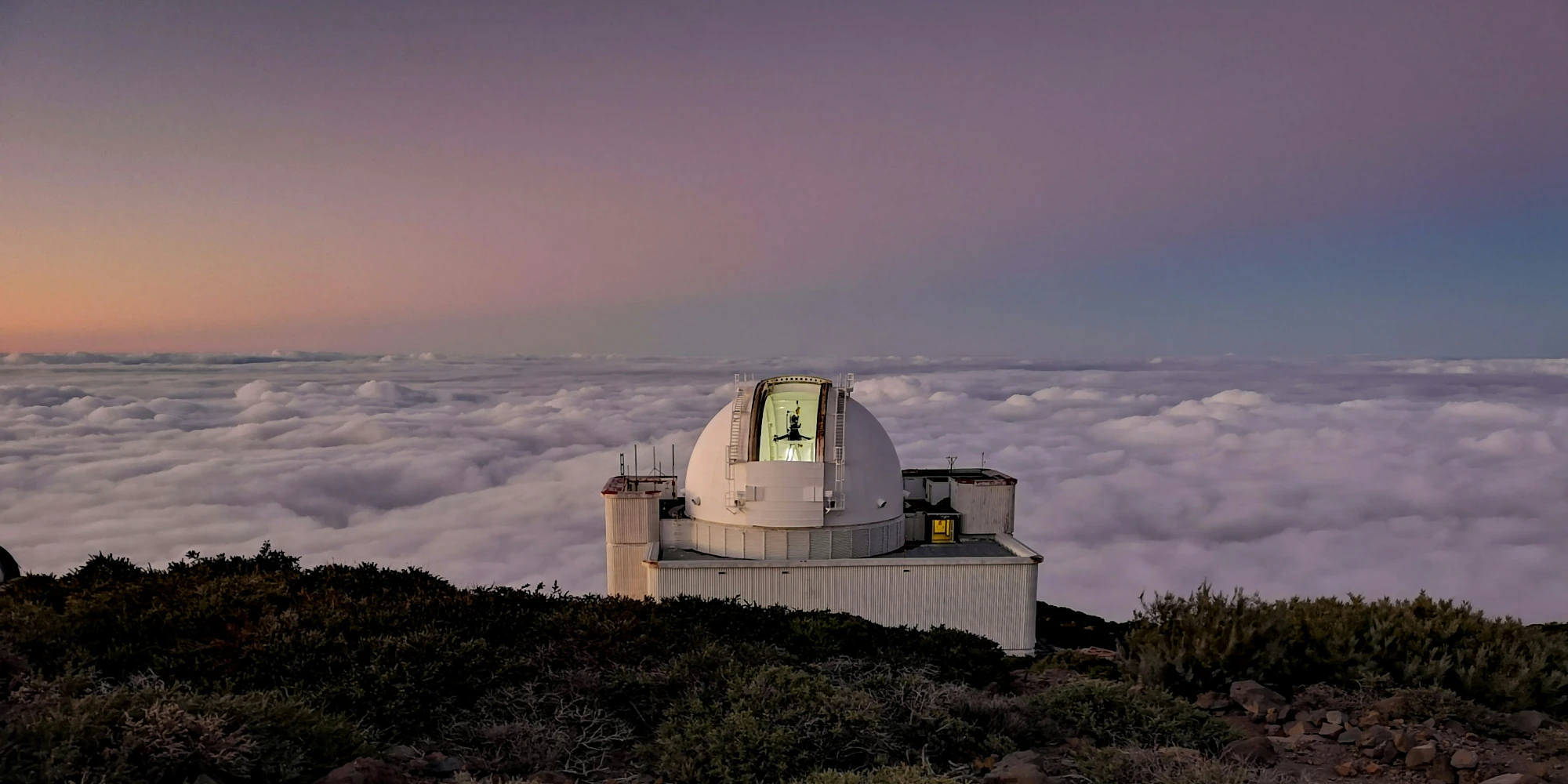
A special reason for this is the famous Roque de los Muchachos Observatory, located at the highest point of the island. Up here, far above the clouds, lies one of the most important observatories in the world. But it’s not just scientists who benefit from this exceptional location - you too can experience a night sky here that you won’t soon forget.
Why La Palma is perfect for stargazing
There are many places in the world where you can observe stars. But La Palma offers several conditions that make the night sky here particularly spectacular.
First, the island lies in the middle of the Atlantic, far away from major cities. This means there is hardly any light pollution that could interfere with the view of the stars.
Second, the trade winds often create a layer of clouds over the island. This so-called “sea of clouds” usually lies below the highest mountains. As a result, the island’s peaks are often completely free of clouds.
That is exactly why the large observatory was built on the summit of Roque de los Muchachos.
The Roque de los Muchachos Observatory
The Roque de los Muchachos Observatory is one of the most important astronomical research centers in the world. Scientists from many countries operate modern telescopes here to study distant galaxies, stars, and planets.
The site is located at over 2.400 meters above sea level on the mountain Roque de los Muchachos. Due to its high altitude, the observatory is usually above the clouds and offers ideal conditions for astronomical observations.
One of the most well-known instruments is the enormous Gran Telescopio Canarias - one of the largest optical telescopes in the world. With its help, astronomers can observe objects that are millions of light-years away.
Even though many areas of the observatory are only accessible to scientists, you can take part in certain guided tours and get a glimpse behind the scenes.
The island of starlight
La Palma is often referred to as the “island of starlight.” It is one of the few regions in the world officially recognized as a Starlight Reserve.
This means that special measures are taken to protect the sky from light pollution. Street lighting is designed to minimize upward light emission, and hotels and buildings also use adapted lighting.
These rules ensure that even at lower altitudes on the island, you can still see an astonishing number of stars.
Seeing the Milky Way with the naked eye
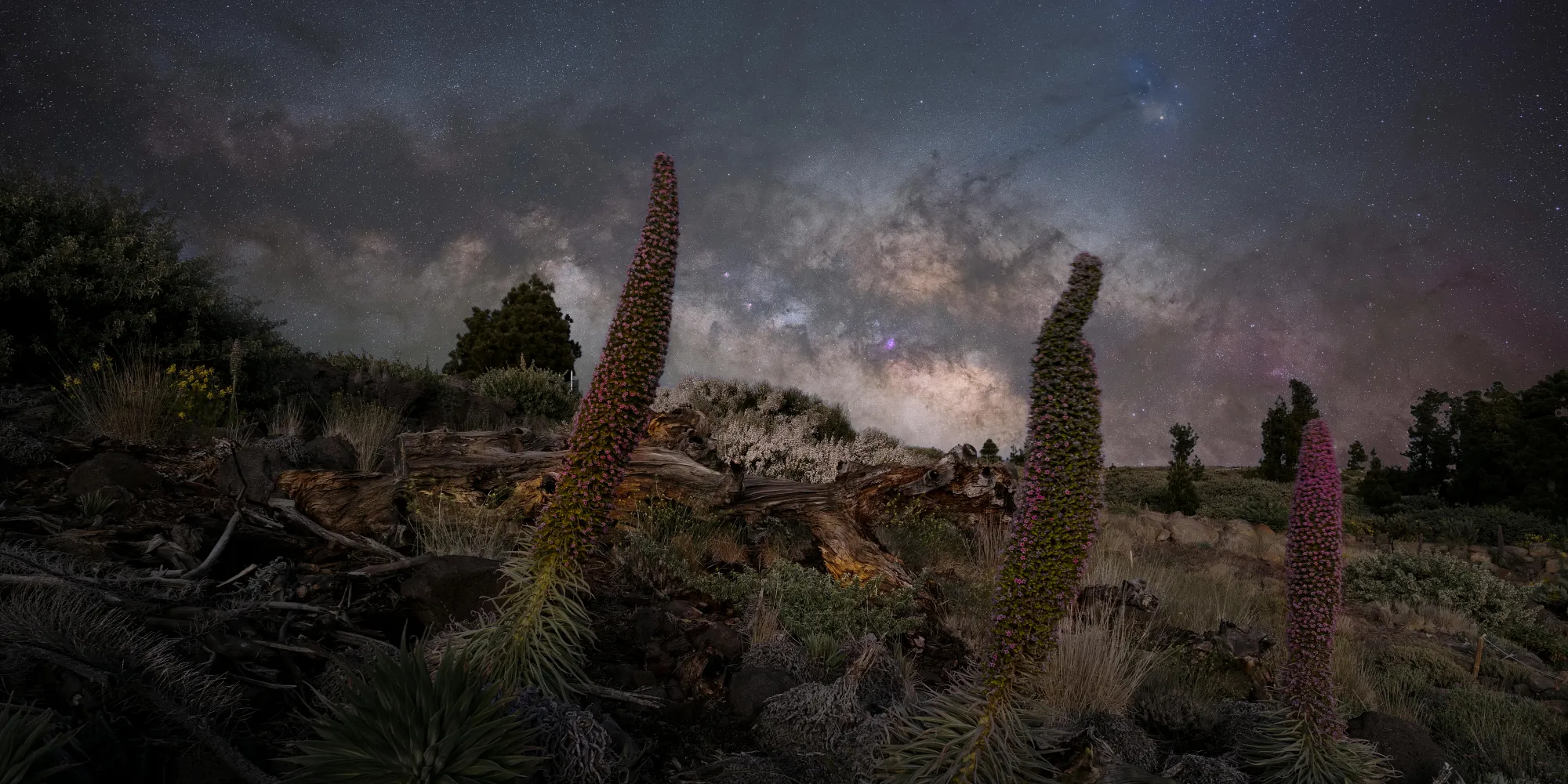
One of the most impressive experiences on La Palma is the view of the Milky Way. On particularly clear nights, you can see it stretching across the sky as a bright band.
Many visitors are surprised by how many stars become visible when you are far away from artificial light. While in many cities you can only see a few stars, here the sky appears full of shining points.
For many travelers, this moment is a true highlight of their vacation.
The best places for stargazing
In addition to the observatory at the Roque de los Muchachos, there are several places on the island that are perfect for stargazing.
A popular spot is the viewpoint Mirador del Roque de los Muchachos. From here, you have a spectacular view over the island - and at night, an incredible starry sky. Remote areas in the Caldera de Taburiente National Park are also excellent for astrophotography and stargazing.
The big advantage: there is very little light pollution across the entire island.
Astrotourism on La Palma
In recent years, a new trend has developed on La Palma: so-called astrotourism. More and more people are traveling here specifically to observe the sky.
Many local providers organize guided stargazing tours with professional telescopes. Experts explain the most important constellations, show planets, or let you observe distant galaxies through large telescopes.
Such tours are especially exciting if you are interested in astronomy or want to experience the sky in a more conscious way.
Perfect for Astrophotography
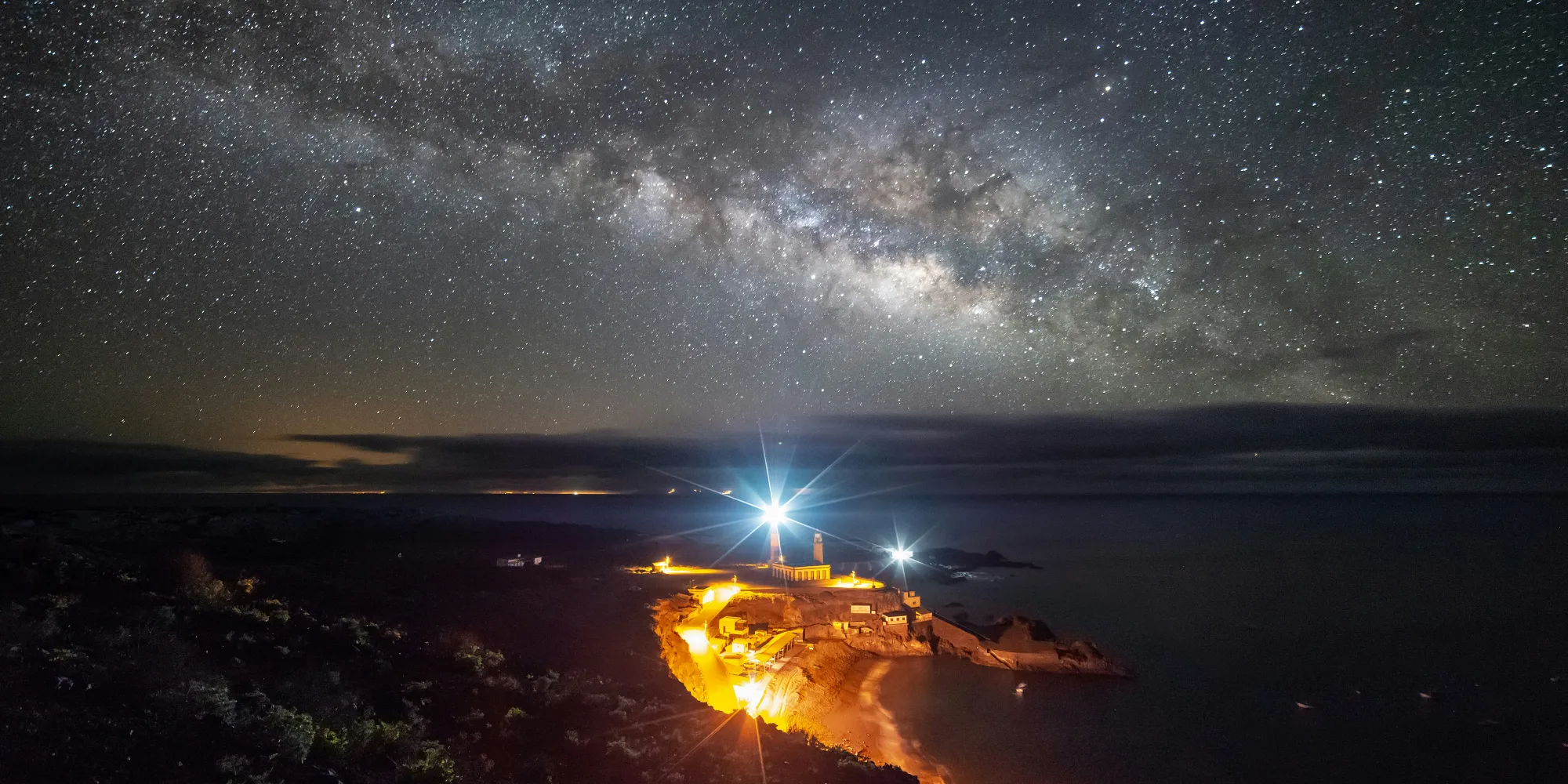
La Palma is also a true paradise for photographers. The combination of dark skies, spectacular landscapes, and a clear climate offers perfect conditions for astrophotography.
Many photographers travel to the island specifically to capture images of the Milky Way above volcanic landscapes or mountain peaks.
Particularly impressive are photos in which the stars appear above the dramatic silhouette of the Roque de los Muchachos.
When you can see the best night sky
In general, you can experience a great night sky on La Palma all year round. However, there are certain times that are particularly well suited.
The best conditions occur on moonless nights. Then the sky is especially dark, and you can see more stars. The summer months are also ideal because the Milky Way is especially visible during this time.
If you are interested in astrophotography, it is worth checking the lunar calendar in advance.
Tips for your stargazing experience
To make your stargazing experience on La Palma perfect, there are a few things you should keep in mind.
First: drive up into the mountains, for example to the Roque de los Muchachos. The sky is especially clear there.
Second: bring warm clothing. Even if it’s warm during the day, it can get cool in the mountains at night.
Third: give your eyes some time to adjust to the darkness. After about 20 minutes, you will see significantly more stars.
If you also bring binoculars or a camera, you can discover even more details.
Conclusion: The night sky over La Palma is one of the most impressive natural experiences in Europe. Thanks to its special location, clean air, and strict light protection laws, you can see an incredible number of stars here.
The famous Roque de los Muchachos Observatory also makes the island an important center of international astronomy.
Whether you simply want to enjoy the sky, discover constellations, or take spectacular photos - La Palma offers one of the best places in Europe for stargazing.




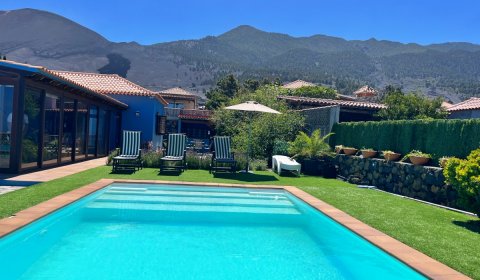
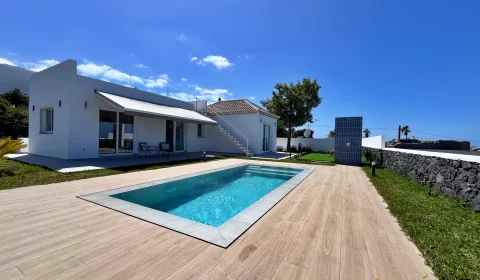
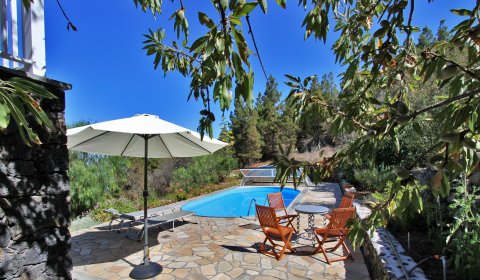
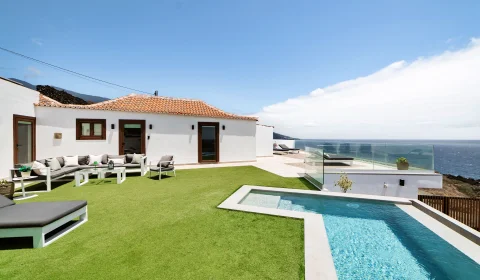
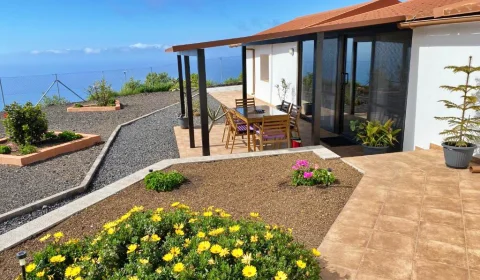

The right accommodation for your stargazing holiday on La Palma
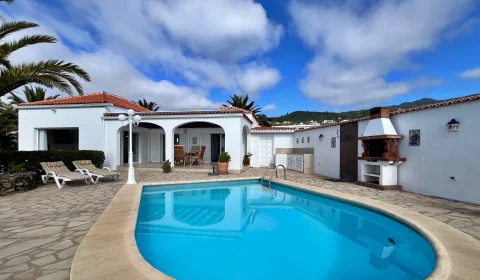
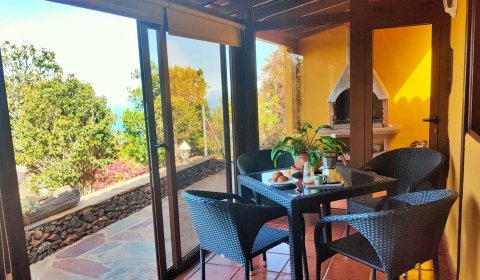
If you want to experience the impressive night sky on La Palma, choosing the right accommodation plays a particularly important role. The darker your surroundings, the more intense your view of the stars will be.
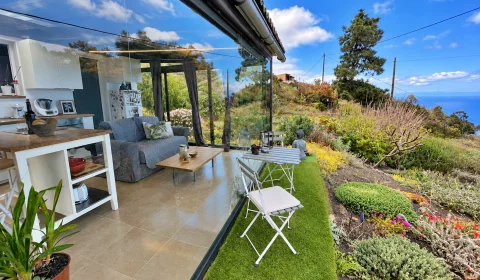
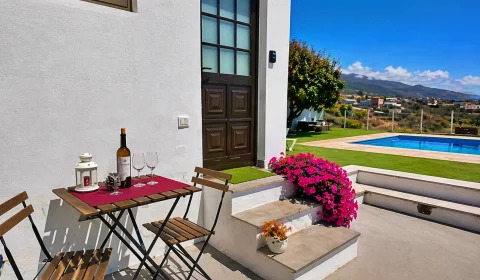
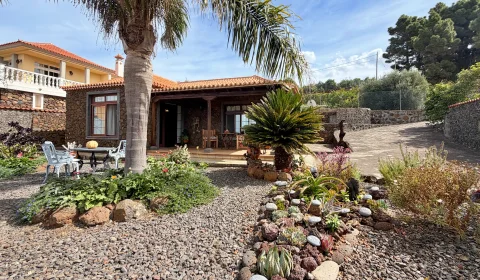
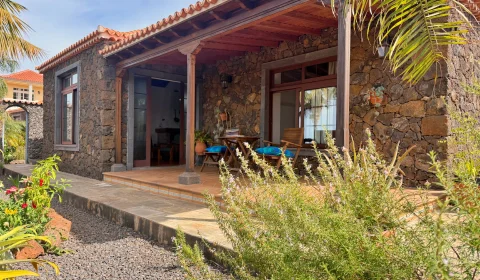
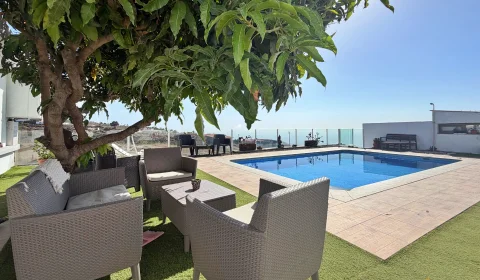
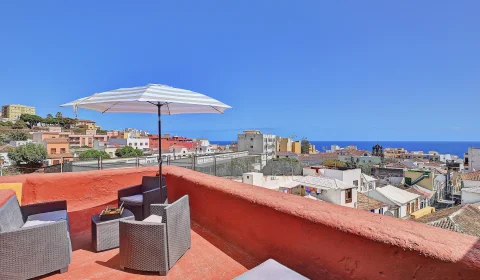
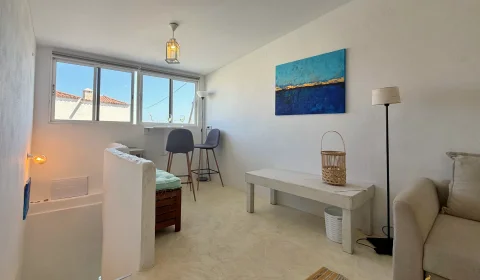
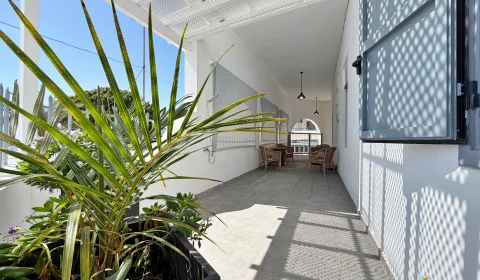
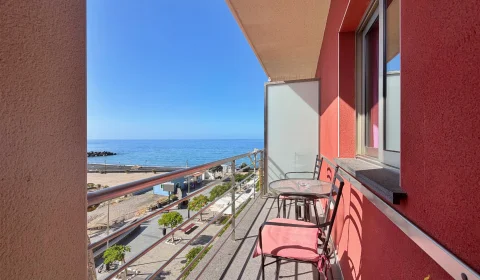
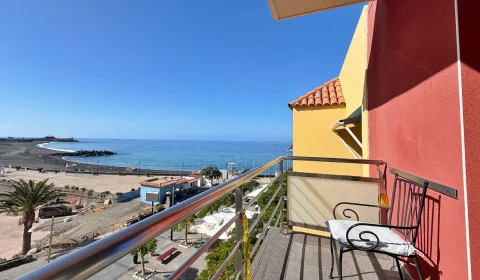
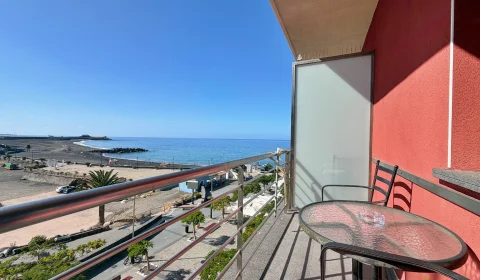
On the island, you’ll find a wide range of accommodations - from holiday apartments in coastal areas like Los Cancajos to quiet fincas and holiday homes in the mountains or inland. Remote accommodations are especially ideal if you want to enjoy the clear night sky far away from artificial light.
Many accommodations are located at higher elevations with unobstructed views of the sky or near viewpoints around the Roque de los Muchachos. This gives you perfect conditions for stargazing or even trying astrophotography.
Thanks to the short distances on La Palma, you can quickly reach great stargazing spots from almost any accommodation - whether in the mountains, along the coast, or near the famous Roque de los Muchachos Observatory.
Are you ready to discover La Palma’s night sky?
Then now is the perfect time to start planning your trip.
Our team knows the island personally and understands exactly which accommodations are best suited for stargazing - whether secluded in nature, high up in the mountains, or with an open view of the Atlantic.
Let our experts advise you and find the perfect accommodation for your unforgettable holiday on La Palma—under one of the most beautiful night skies in Europe.
Email:
Phone: +34 675 400 700