DE
DE  EN
EN  ES
ES Are you wondering whether La Palma is the right Canary Island for your next vacation?
Then you’ve come to the right place. The island of La Palma is one of the most beautiful and unspoiled destinations in the Canary Islands. While many travelers are familiar with Tenerife, Gran Canaria, or Fuerteventura, La Palma is still considered an insider tip for nature lovers, hikers, and anyone looking to relax away from mass tourism.
Before traveling, many questions arise: When is the best time to visit? Do you need a rental car? Which attractions should you not miss? What is the situation after the volcanic eruption? And is La Palma even suitable for a beach holiday?
In this article, you’ll find answers to the most important questions travelers have before visiting La Palma.
Where is La Palma located and what makes the island so special?
La Palma is the northwesternmost of the Canary Islands and belongs to Spain. Due to its lush vegetation, it is often referred to as “La Isla Bonita” – the beautiful island.
Unlike its heavily developed neighboring islands, La Palma has preserved its authentic character. Here, you can expect impressive volcanic landscapes, dense pine forests, deep ravines, spectacular viewpoints, and charming villages.
The island is particularly famous for its extraordinary natural beauty. For this reason, La Palma has been designated a UNESCO Biosphere Reserve. Anyone seeking peace, relaxation, and authentic travel experiences will find ideal conditions here.
When is the best time to visit La Palma?
One of the most common questions before traveling is: When should you visit La Palma?
The good news is that La Palma is a year-round destination. Thanks to its mild climate, temperatures often range between 20 and 25 degrees Celsius even during the winter months.
From December to March, the island is ideal for hiking and sightseeing. While much of Central Europe experiences cold temperatures, you can often enjoy pleasant spring-like weather on La Palma.
The months from April to June are considered by many travelers to be the perfect time to visit. Nature is especially green during this period, and temperatures are pleasantly warm.
In summer, from July to September, temperatures become somewhat hotter, although the sea breeze usually keeps conditions comfortable. This period is particularly suitable for beachgoers and sun seekers.
Autumn is also an excellent time to visit. The ocean remains warm, and many hiking trails can be explored in pleasant temperatures.
What is the weather like on La Palma?
The climate on La Palma can vary significantly across the island. Due to the different elevations and the influence of the trade winds, weather conditions and temperatures can change noticeably over relatively short distances.
The differences between the eastern and western sides of the island are particularly striking. The east coast, home to the island’s capital Santa Cruz de La Palma, lies on the windward side. This is where the moist trade winds first reach the island, resulting in more frequent cloud cover and occasional rainfall. This creates the lush vegetation and green landscapes for which La Palma is famous.
The western side around Los Llanos de Aridane, Tazacorte, and Puerto Naos lies in the rain shadow of the mountains. Here, sunshine is much more frequent, and temperatures are often slightly higher than on the eastern side. For this reason, many visitors choose accommodation on the west side if they want to enjoy as many hours of sunshine as possible.
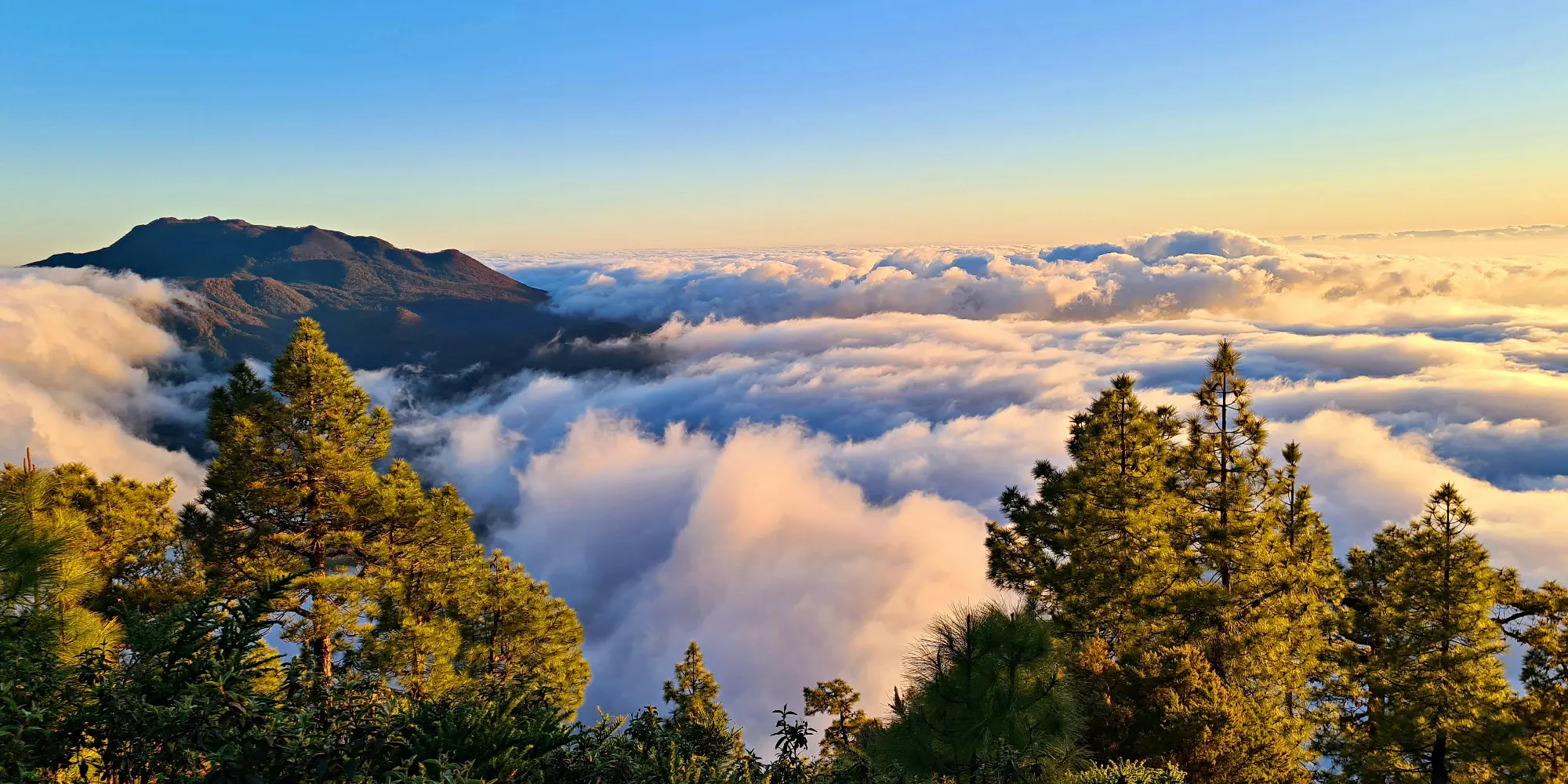
A unique weather phenomenon on La Palma is the so-called sea of clouds. In this phenomenon, the trade wind clouds accumulate along the mountain slopes and form a continuous cloud layer. Above this cloud cover, bright sunshine often prevails, while below it, the moisture supports the island’s unique plant life.
Altitude also has a major influence on the climate. In general, temperatures decrease with increasing elevation. While summer temperatures along the coast typically range between 24 and 30 degrees Celsius, conditions in the higher mountain regions can be significantly cooler.
During winter, these differences become even more pronounced. While coastal areas often enjoy pleasant temperatures between 18 and 24 degrees Celsius, the higher regions can be considerably colder. On the island’s highest peaks, nighttime temperatures can occasionally approach freezing. From time to time, snow is even possible on the highest elevations of the Caldera de Taburiente and around Roque de los Muchachos.
If you plan to explore the island’s higher regions, you should always bring a light jacket or sweater regardless of the season. While summer temperatures may prevail along the coast, the mountains can be surprisingly cool.

How do I get to La Palma?
Many travelers wonder how to get to La Palma.
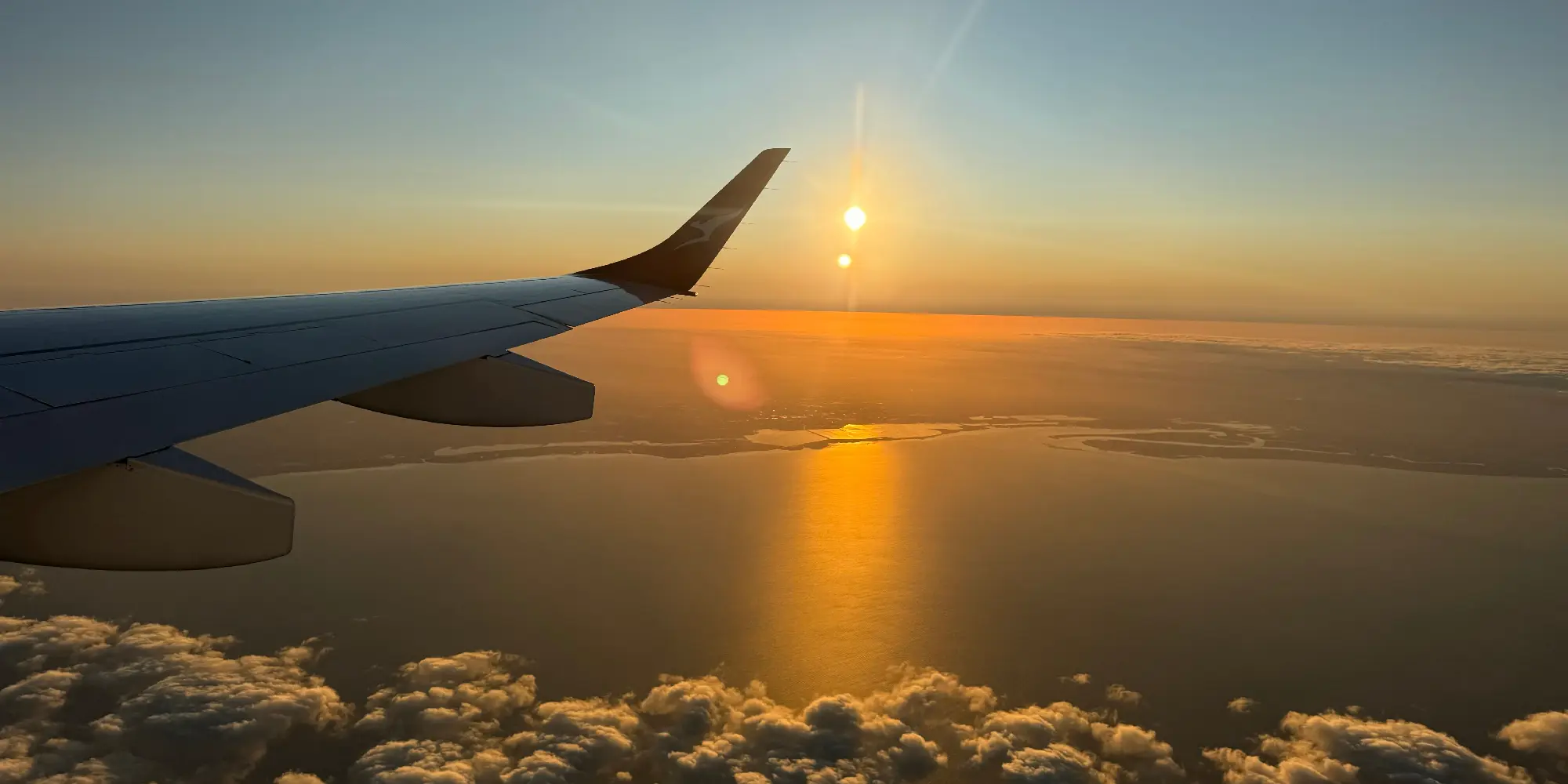
There are direct flights to La Palma from numerous German and various international airports. Especially during the winter season, the island is served regularly by several airlines.
Alternatively, you can travel via other Canary Islands such as Tenerife or Gran Canaria and then take a connecting flight or ferry.
The airport is located just a few kilometers from the island’s capital, Santa Cruz de La Palma. This means you can usually reach your accommodation within a short time.
Summer Flight Schedule 2026 La Palma
Winter Flight Schedule 2026/2027 La Palma
Summer Flight Schedule 2027 La Palma
Do I need a rental car on La Palma?
If you really want to explore the island, the answer is clear: yes.
Although La Palma has a well-developed bus network, many of the island’s most beautiful locations can only be reached to a limited extent by public transportation.
A rental car offers maximum flexibility. You can spontaneously visit viewpoints, explore remote hiking areas, and discover hidden villages.
The roads on La Palma are generally in good condition. However, there are many winding mountain roads, so you should drive carefully, especially in higher regions.
How much does a rental car cost on La Palma?
Rental car prices vary depending on the travel season, vehicle category, and booking date. During the low season, compact cars are often available from around €17 to €22 per day. During holiday periods and the winter months, when many tourists visit the Canary Islands, prices are typically between €22 and €26 per day. Larger vehicles and SUVs generally cost more.
Which attractions should you definitely not miss?
La Palma offers a wide variety of impressive attractions.
At the top of the list is Caldera de Taburiente National Park. This enormous erosion crater features spectacular hiking trails, waterfalls, and impressive rock formations.
Another must-see is Roque de los Muchachos. At over 2,400 meters above sea level, it is the highest point on the island. From here, you can enjoy fantastic views above the clouds and across the surrounding Canary Islands.
The capital, Santa Cruz de La Palma, captivates visitors with its historic buildings, colorful wooden balconies, and charming narrow streets. A walk through the old town is an essential part of any visit.
The Fuencaliente Salt Flats are also worth a visit. Here, you can observe the traditional production of sea salt.
How has the volcanic eruption changed La Palma?
The volcanic eruption in 2021 attracted worldwide attention. As a result, many travelers wonder whether a vacation on La Palma is once again fully possible.
The answer is clear: yes.
The island’s tourism infrastructure is operating normally again, and most hiking trails are accessible.
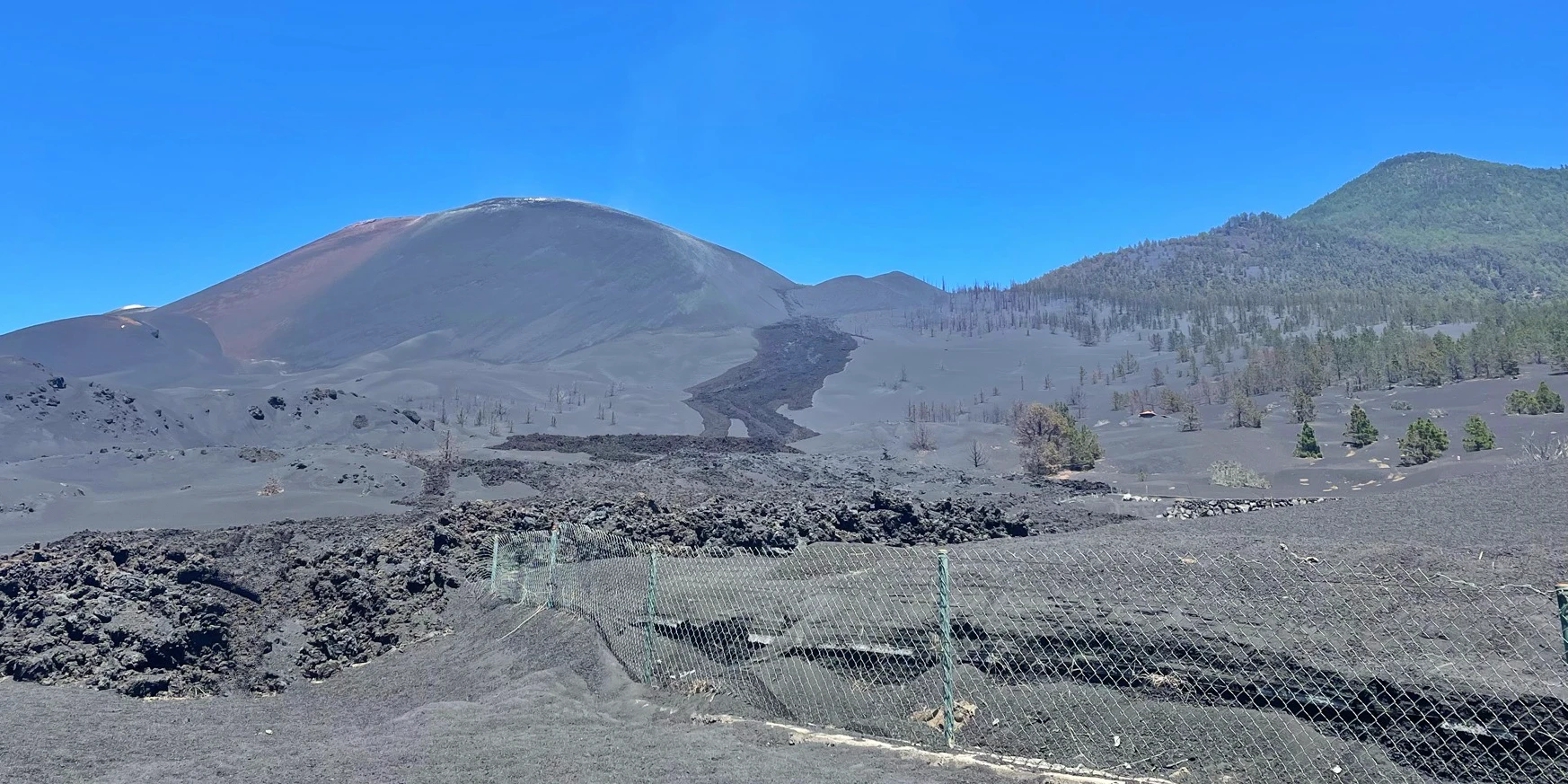
At the same time, the eruption has created an entirely new landscape. The solidified lava fields have become some of the island’s most fascinating attractions.
Guided tours through the volcanic area are particularly impressive. They provide first-hand insights into how the landscape has changed and the impact the eruption had on local residents.
The new volcano Tajogaite has now become one of the island’s most important visitor attractions.
Is La Palma a paradise for hikers?
Definitely.
Many experts even consider La Palma to be one of the best hiking destinations in Europe.
Hundreds of kilometers of well-marked hiking trails lead through a wide variety of landscapes across the island. In a single day, you can hike through ancient laurel forests, volcanic terrain, fragrant pine forests, and spectacular mountain regions.
One of the most famous routes is the Volcano Route. It follows the Cumbre Vieja ridge and passes numerous volcanic cones, lava fields, and breathtaking viewpoints. On clear days, hikers are rewarded with spectacular views of the Atlantic Ocean and large parts of the island.
Hiking trails within the Caldera de Taburiente are also among the absolute highlights.
Beginners will find plenty of easy routes along the coastline and through the lush green forests in the north.
Hiking Tour Providers La Palma
What beaches are there on La Palma?
Many travelers associate the Canary Islands with miles of sandy beaches. However, La Palma focuses on different strengths. The island is best known for its unspoiled nature, dramatic coastal scenery, and beaches made of black volcanic sand.
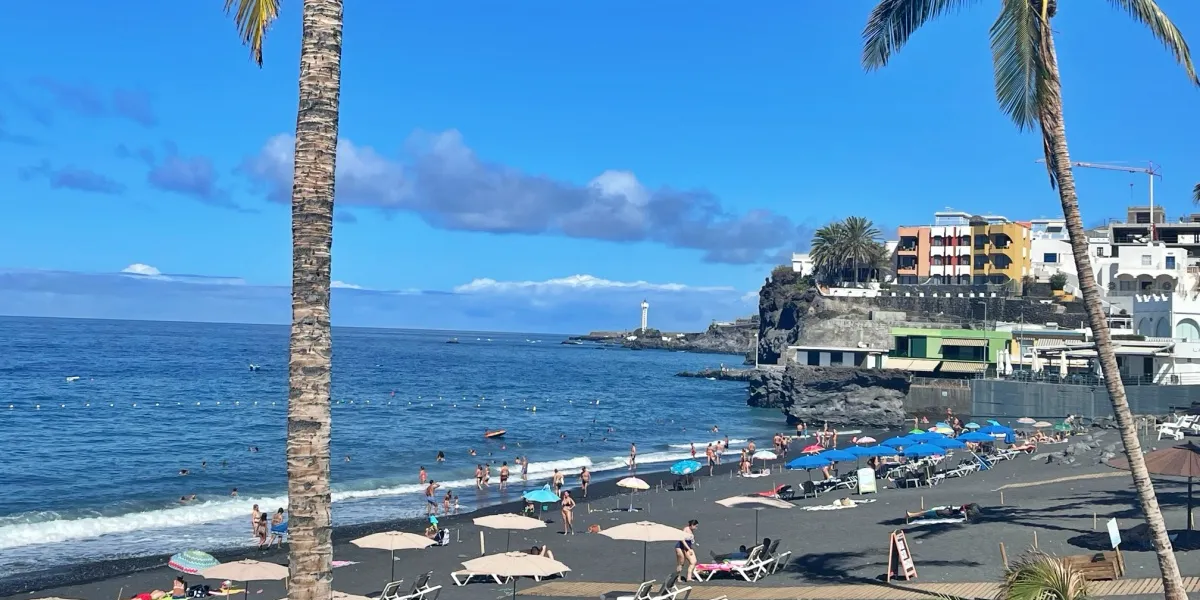
One of the best-known beaches is Puerto Naos on the west coast. This extensive lava-sand beach is among the island’s most popular seaside destinations and offers excellent conditions for swimming, sunbathing, and strolling along the promenade.
Playa de Los Cancajos, located near the airport, is also very popular. Thanks to its sheltered position and relatively calm waters, it is particularly suitable for families and snorkelers.
Another beautiful beach can be found in Tazacorte. Playa de Tazacorte is one of the sunniest locations on the island and is lined with an attractive promenade featuring restaurants and cafés. Due to its generally pleasant climate, the beach remains a popular destination for swimmers throughout the year.
Those who love spectacular natural scenery should visit Playa de Nogales. This black-sand beach lies at the foot of impressive cliffs and is considered one of the most beautiful natural beaches in the entire Canary Islands. A short hiking trail leads down to the beach and rewards visitors with breathtaking views.
In addition to the beaches, La Palma’s natural seawater pools are a special attraction. Among the most famous are the Piscinas Naturales de Charco Azul near San Andrés y Sauces in the northeast of the island. These protected pools offer ideal swimming conditions and are especially popular with families.
The Piscinas Naturales de La Fajana in the municipality of Barlovento are also worth visiting. Located directly on the coast, these seawater pools provide a safe swimming experience with magnificent views of the Atlantic Ocean. The small bay of Charco Verde on the west coast is also highly popular among both locals and visitors.
Can you swim and enjoy the beaches on La Palma?
Yes, but you should always respect the conditions of the Atlantic Ocean.
Some beaches can experience stronger waves and currents. Therefore, it is important to pay attention to warning signs and local safety advice.
Protected coves and natural seawater pools often provide ideal swimming conditions. These areas are especially appreciated by families with children.
Depending on the season, water temperatures generally range between 19 and 24 degrees Celsius.
Where should you stay on La Palma?
Choosing the right accommodation largely depends on how you want to spend your vacation. Since the different regions of La Palma offer very diverse landscapes, climate zones, and atmospheres, it is worth carefully considering the best location for your stay.
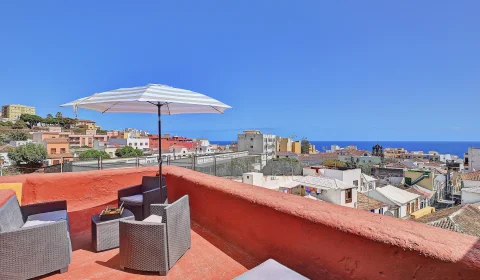
If you would like to experience the island’s cultural life, Santa Cruz de La Palma is an excellent choice. The capital offers historic architecture, charming streets, restaurants, cafés, and shopping opportunities. It also provides convenient access to many attractions on the eastern side of the island.
For hiking enthusiasts, El Paso and Los Llanos de Aridane are particularly suitable. Both towns are centrally located on the western side of the island and serve as ideal starting points for excursions into Caldera de Taburiente National Park, the volcanic region of Cumbre Vieja, and the surrounding pine forests. At the same time, these areas benefit from many hours of sunshine and generally stable weather conditions.
Those planning a traditional beach holiday with plenty of sunshine will find excellent conditions in Tazacorte and Puerto Naos. These regions are among the warmest and driest on the island, offering beaches, promenades, and a relaxed holiday atmosphere directly on the Atlantic coast.
The southern region around Fuencaliente is especially appealing to nature lovers. Here, you can discover impressive volcanic landscapes, salt flats, numerous hiking trails, and a peaceful, unspoiled environment. The area is ideal if you are looking for nature, open spaces, and spectacular scenery.
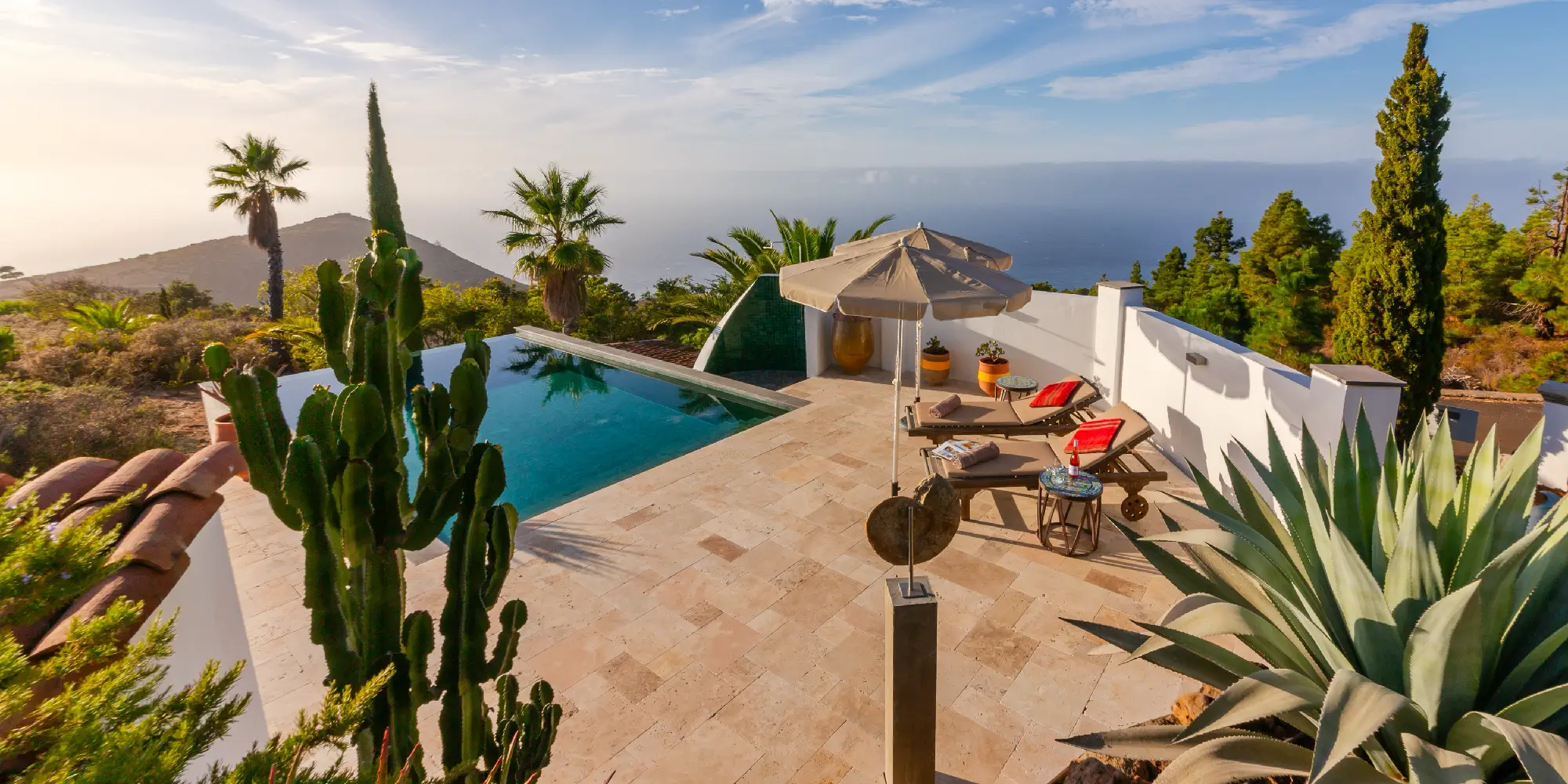
The north and northwest of La Palma are considered particularly authentic and tranquil. Villages such as Garafía, Puntagorda, and Tijarafe offer lush and varied landscapes with deep ravines, laurel forests, and dramatic cliffs. This region is far less developed for tourism and is perfect for anyone seeking to experience the authentic side of La Palma.
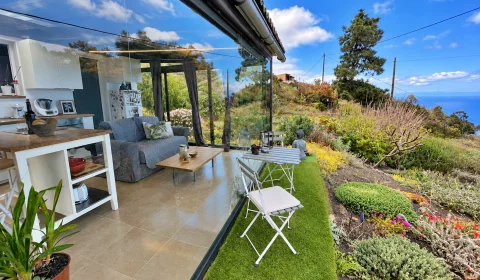
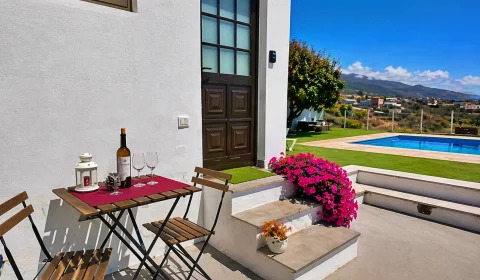
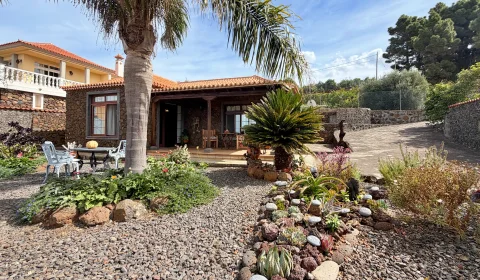
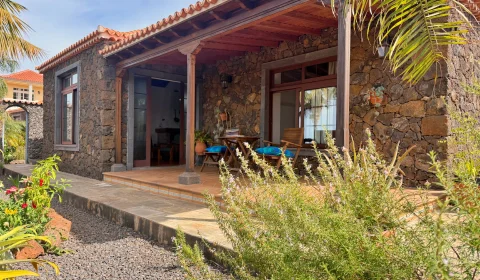
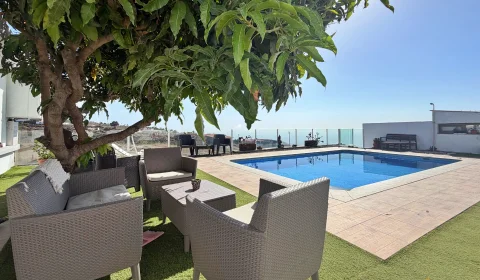
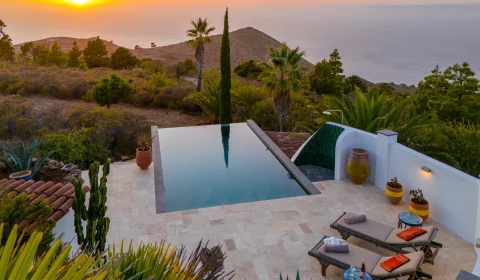
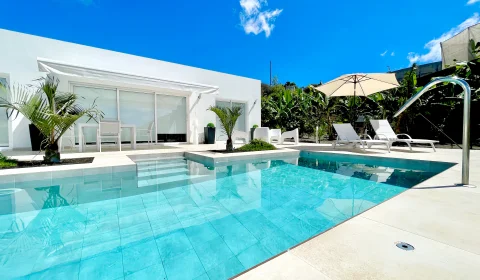
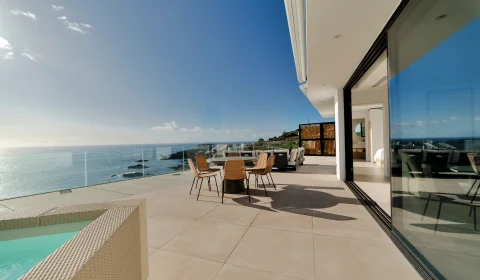
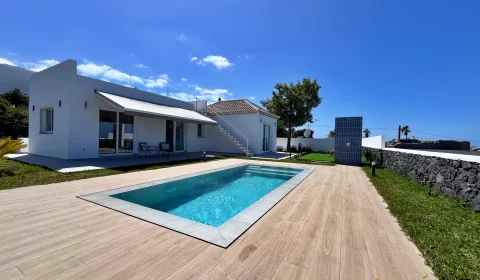
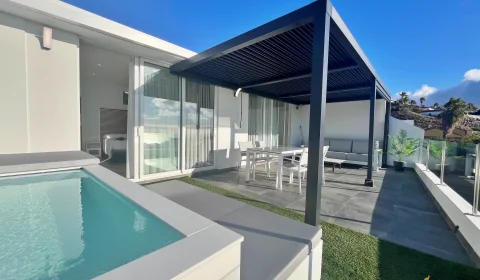
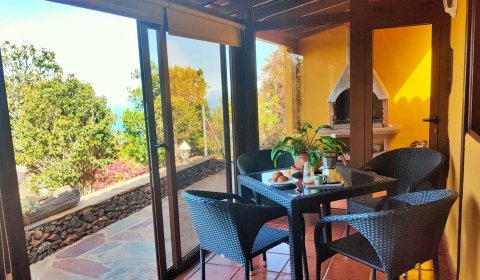
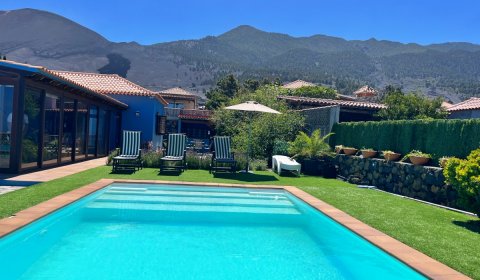
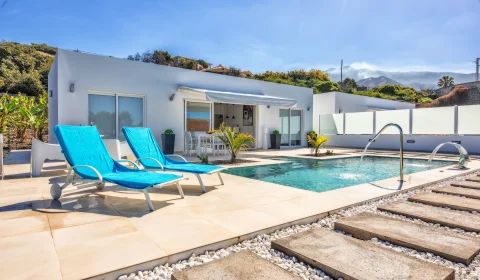
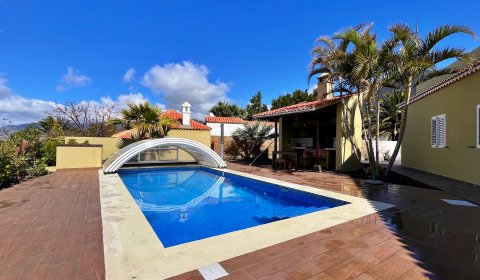
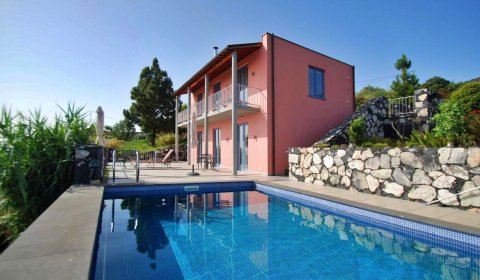
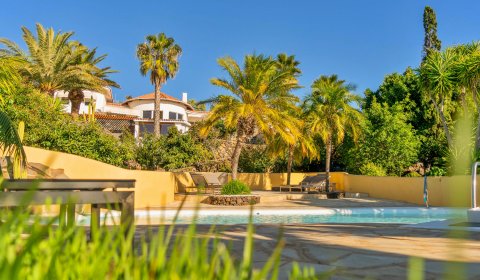
Puntagorda and Tijarafe, in particular, have become increasingly popular places to stay in recent years. Both municipalities often enjoy a very pleasant climate with many hours of sunshine. Here, you will find numerous holiday homes and villas with sweeping views over the Atlantic Ocean. At the same time, you remain close to hiking trails, nature experiences, and spectacular viewpoints.
Ultimately, there is no single “best” region on La Palma for everyone. While the west stands out for its sunshine and warmth, the north offers peace and authenticity, the east provides cultural attractions, and the south captivates visitors with its spectacular volcanic landscapes. The ideal region for you depends entirely on your personal travel preferences.
Discover Holiday Accommodations on La Palma
Why is La Palma considered a paradise for stargazers?
La Palma is regarded as one of the best places in the world for astronomical observations.
Thanks to minimal light pollution and exceptionally clear atmospheric conditions, the island offers nearly perfect circumstances for stargazing.
One of the world’s most important observatories is located on Roque de los Muchachos. Scientists operate some of the most advanced telescopes available here.
Even without professional equipment, you can experience a spectacular night sky on La Palma. The Milky Way is often visible to the naked eye.
For amateur photographers and astronomy enthusiasts, the island is therefore considered one of the most attractive travel destinations in Europe.
What should you definitely eat on La Palma?
Canarian cuisine is simple, authentic, and surprisingly diverse.
One of the island’s most famous specialties is Papas Arrugadas. These are small salt-boiled potatoes traditionally served with Mojo sauces.
Fresh fish also plays an important role on menus throughout the island.
Goat cheese, grilled meats, and regional stews are equally popular.
Wine lovers will also find plenty to enjoy. The island’s volcanic soils create ideal conditions for viticulture, and numerous wineries invite visitors to enjoy tastings.
Are restaurants on La Palma affordable?
Many travelers wonder before their trip whether restaurants on La Palma are expensive or whether dining out is reasonably priced. Overall, it can be said that compared to Central Europe, restaurants on La Palma are generally moderately priced to affordable, especially in local and traditional establishments away from the main tourist areas.
In simple Canarian restaurants, you will usually pay around €10 to €15 for a main course. A complete meal with a starter, main course, and drink is often available for approximately €18 to €22.
In tapas bars, smaller dishes typically cost between €3 and €6 per portion, meaning that dinner can cost roughly €12 to €20 per person, depending on your selection.
In tourist areas such as Puerto Naos, Los Cancajos, and Santa Cruz de La Palma, prices tend to be slightly higher. Here, a main course generally costs around €14 to €22.
In upscale restaurants or hotel restaurants, you should expect to spend approximately €25 to €40 per person or more for a full meal.
Overall, if you prefer local restaurants, you can enjoy excellent food on La Palma at relatively affordable prices.
Is La Palma suitable for families?
Yes, families will also find ideal conditions on La Palma.
The island stands out for its relaxed atmosphere, manageable distances, and high level of safety.
Children can explore nature, discover natural seawater pools, or watch dolphins during boat excursions.
While there are few large theme parks compared to some other Canary Islands, families can enjoy authentic outdoor adventures and nature-based experiences.
Anyone looking for a peaceful and nature-oriented family holiday is likely to love La Palma.
How expensive is a vacation on La Palma?
Compared to many other European destinations, a vacation on La Palma is generally considered moderately priced and reasonably affordable. The overall cost depends largely on whether you travel during peak season, the type of accommodation you choose, and how flexible you are during your stay.
As a rough guideline, you can expect the following costs:
A one-week vacation typically costs around €700 to €1.100 per person excluding flights when planning for a mid-range budget. For a two-week stay, travel expenses are often between €1.400 and €2.200 per person excluding flights.
Accommodation usually represents the largest portion of the budget. Simple holiday apartments can often be found from around €60 to €90 per night. A holiday home generally costs between €90 and €180 per night, while villas typically range from €200 to €350 per night.
Flights usually add approximately €260 to €350 per person, depending on the departure airport and season. During the peak winter travel period, prices may be higher, while early bookers and flexible travelers can often find significantly cheaper fares.
Dining out on La Palma is generally less expensive than in Germany. For a restaurant meal, you can expect to pay around €14 to €20 for a main course on average, often less in simpler establishments.
Transportation is also relatively affordable. Rental cars usually cost around €18 to €30 per day, depending on the season and vehicle category. Prices can increase considerably during peak travel periods, making early reservations worthwhile.
Overall, a realistic budget for a typical vacation on La Palma is approximately €100 to €140 per person per day, including accommodation, meals, a rental car, and smaller excursions.
In summary, La Palma is not a classic budget destination, but it offers excellent value for money. Travelers who book early, avoid peak holiday periods, and choose local restaurants and private accommodations can significantly reduce costs and enjoy a relatively affordable Canary Islands vacation.
How many days should you plan for La Palma?
Many travelers underestimate the diversity of the island.
For a first visit, you should plan at least seven days. This gives you enough time for hiking, sightseeing, and relaxing days by the sea.
Ideally, you should spend ten to fourteen days on the island. This allows you to explore the different regions at a relaxed pace and fully enjoy its unique atmosphere.
Nature lovers and hiking enthusiasts, in particular, often stay on La Palma for much longer.
Conclusion: Is a vacation on La Palma worth it?
If you are looking for spectacular nature, impressive volcanic landscapes, breathtaking hiking trails, and authentic island life, La Palma is one of the best travel destinations in Europe.
The island offers a unique combination of relaxation, adventure, and unforgettable nature experiences. Whether you enjoy hiking, swimming, stargazing, or simply unwinding, La Palma has something to offer for almost every type of traveler.
Precisely because the island has largely remained untouched by mass tourism, you can still experience an authentic and unspoiled side of the Canary Islands here. Anyone who has visited La Palma quickly understands why so many travelers return again and again.
Are you ready for your vacation on La Palma?
Now is the perfect time to start planning your trip to the green volcanic island of the Canary Islands.
Our team knows the island personally and can help you find the ideal region and holiday accommodation on La Palma.
Contact us today and let us help you plan the perfect trip to La Palma from start to finish!
Email:
Phone: +34 675 400 700