DE
DE  EN
EN  ES
ES Whether in the popular holiday resort of Puerto Naos, the quiet village of Fuencaliente in the south of the island, or the charming capital Santa Cruz de la Palma – the Canary Island La Palma offers the right place for every type of vacation. Thanks to its diversity, you will find both relaxing retreats and lively coastal towns here.
A holiday on La Palma gives you complete freedom: relax along the coast with views of the Atlantic Ocean, stay in idyllic villages in the lush green interior of the island, or enjoy the urban flair of the island capital with its colonial façades, cafés, and shopping opportunities.
To help you find your way around, we present the most popular holiday destinations on La Palma.
Santa Cruz de la Palma – Historic island capital with colonial charm
A holiday on La Palma is hardly complete without a visit to Santa Cruz de la Palma, the island capital on the east coast. The city is considered the cultural and historical heart of the island and vividly conveys La Palma’s long history. Santa Cruz de la Palma was founded as early as 1493 and is therefore one of the oldest cities in the Canary Islands.
While strolling through the well-preserved old town, visitors encounter magnificent colonial-style mansions, narrow cobblestone streets, and numerous historic buildings. Everywhere, the city’s past as an important port can be felt, as it once played a central role in trade between Europe and the Americas. Santa Cruz de la Palma shows itself at its most beautiful along the Avenida Marítima in particular: the colorful houses with their elaborately carved traditional Canarian wooden balconies are among the island’s most famous photo motifs.
At the northern edge of the old town lies the Castillo de Santa Catalina, a 17th-century fortress built to protect the city from pirates. From the upper platform, historic iron cannons can still be seen today, reminding visitors of the strategic importance of the harbor. Also worth seeing is the lively Calle O’Daly, also known as Calle Real, which invites visitors to stroll and shop as the city’s main pedestrian zone.
Among the most important historic buildings are the town hall, built in the 16th century, and the Plaza de España with the Iglesia Matriz de El Salvador, one of La Palma’s most significant churches. Those interested in culture will also find several museums, including the Island Museum and the Maritime Museum, which is housed in a faithful replica of the Santa María. A visit is rounded off by the nearby city beach, which is ideal for a short break by the sea.
Santa Cruz de la Palma combines history, culture, and authentic Canarian city life, making it an indispensable part of a La Palma holiday.
Tazacorte – Sunny coastal town with history and beach
On the western side of the Canary Island of La Palma, on a fertile plateau at the edge of the Valle de Aridane, lies the village of Tazacorte, one of the sunniest places on the island. Historically, the town plays a special role, as this is where the second and ultimately successful phase of the conquest of La Palma began in 1492 with the landing of the Spanish conqueror Alonso Fernández de Lugo. Even today, the surroundings bear witness to this eventful past, while Tazacorte at the same time presents itself as a modern and livable place.
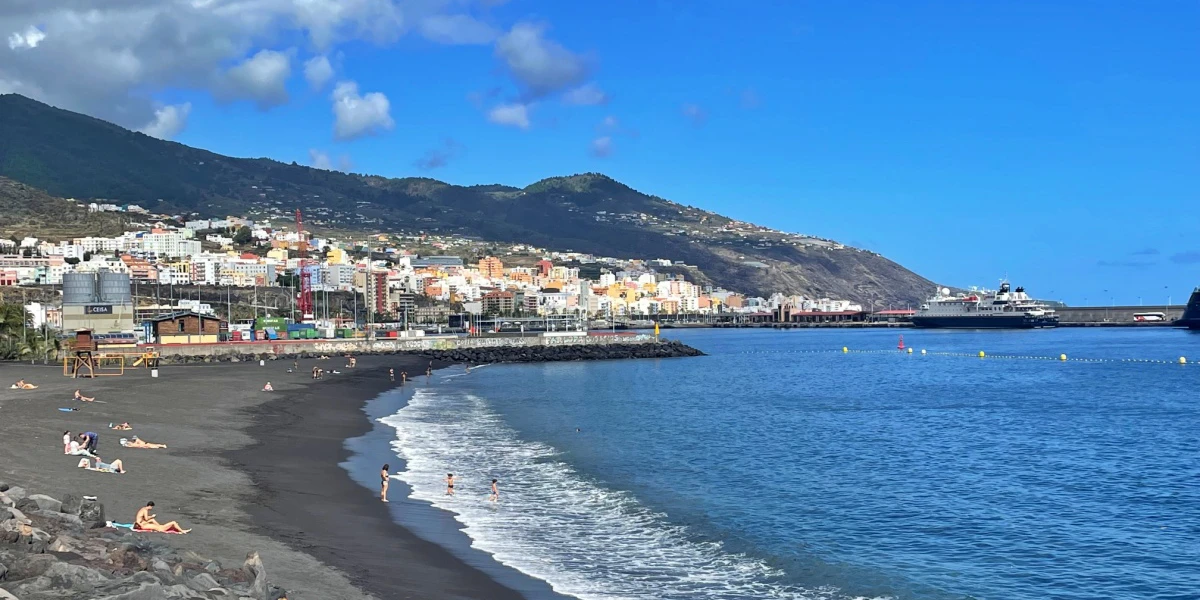
Below the village is Puerto de Tazacorte, a popular holiday resort directly on the coast with a marina, promenade, and direct access to the sea. At the mouth of the barranco lies Playa de Tazacorte, an approximately 500-meter-long black sand beach located very close to the harbor. The beach has been awarded the Blue Flag by the FEE several times, which stands for good water quality, safety, and infrastructure. Since 2014, there has also been an officially designated nudist area, which is especially appreciated by nature-loving vacationers.
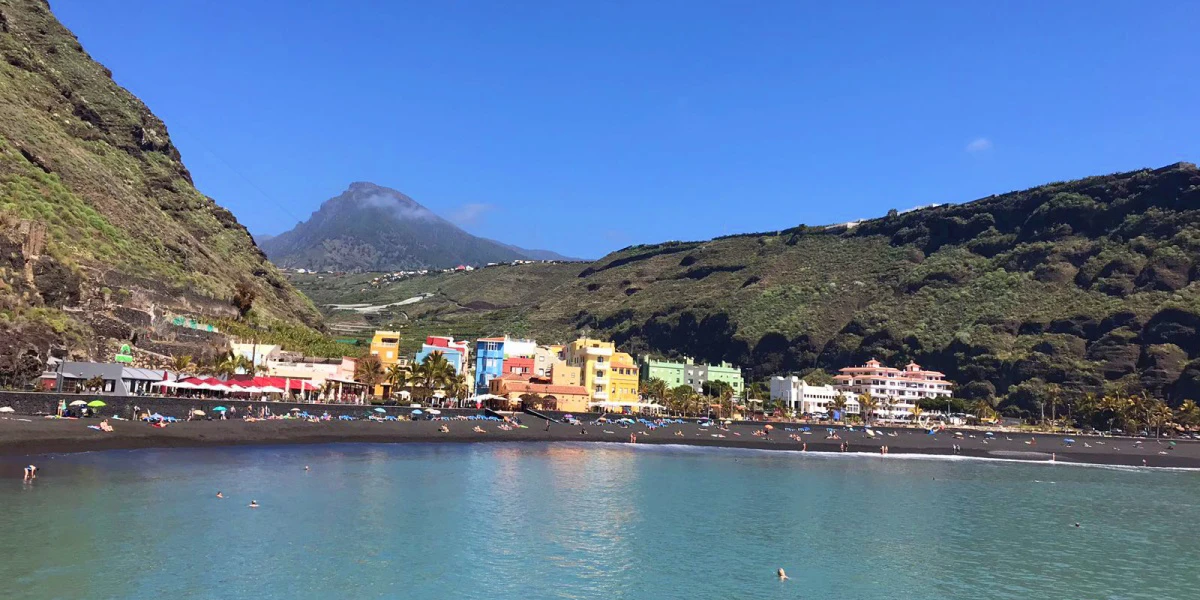
Thanks to the protective harbor walls, Playa de Tazacorte is comparatively calm and sheltered from strong waves, making it particularly suitable for families with children. Numerous restaurants and bars along the promenade invite visitors to linger. Tazacorte is considered a culinary insider tip on La Palma, especially for fresh fish and seafood dishes that often come directly from the Atlantic Ocean.
In addition to beach and enjoyment, Tazacorte impresses with its mild climate, many hours of sunshine, and its proximity to popular hiking and excursion destinations in the Valle de Aridane. This makes the town an ideal combination of beach holiday, culture, and nature experience.
Puerto Naos – Sun, beach, and a relaxed atmosphere
Puerto Naos is located on the west coast of La Palma and is considered the largest and best-known seaside resort on the island. The town belongs to the municipality of Los Llanos de Aridane and is situated in one of the most climatically favored areas of La Palma, with particularly many hours of sunshine. Originally a small fishing village, Puerto Naos developed into a popular holiday destination during the second half of the 20th century, without completely losing its relaxed character.
The heart of the town is Playa de Puerto Naos, a spacious beach of fine black lava sand that stretches for several hundred meters along the coast. The beach is well equipped, offering sun loungers, showers, and lifeguards, and has been awarded the Blue Flag several times. With its gently sloping entrance and good infrastructure, the beach is suitable both for sun-seekers and for families. Thanks to the special underwater landscape of lava rocks, Puerto Naos is also a popular spot for snorkeling and diving.
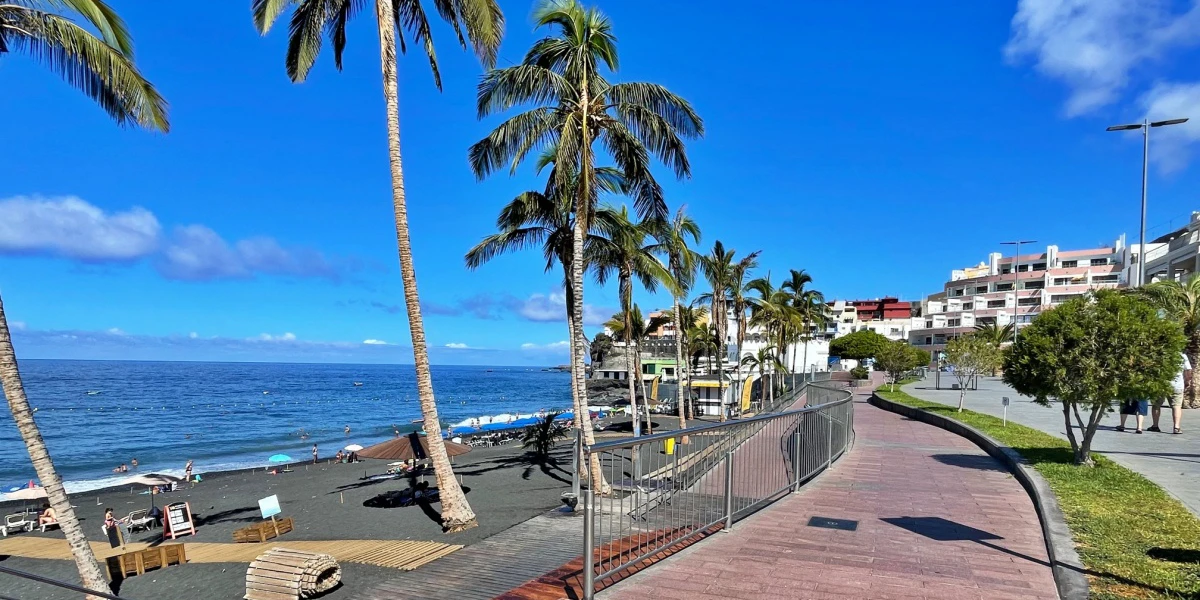
Along the palm-lined promenade, cafés, bars, and restaurants line up one after another. The gastronomic offer is varied and ranges from Canarian specialties to international cuisine. In the evenings, there is a pleasant, lively atmosphere, without Puerto Naos taking on the character of an overcrowded holiday resort.
Due to its location, Puerto Naos is suitable not only for beach holidays but also as a starting point for excursions in the west of the island, such as to the Valle de Aridane, the volcanic landscapes of Cumbre Vieja, or the surrounding banana plantations. Puerto Naos combines swimming enjoyment, good infrastructure, and a sunny climate and is therefore one of the most popular holiday destinations on La Palma.
Los Cancajos – Popular holiday center near Santa Cruz de la Palma
Los Cancajos is located on the east coast of La Palma, between the island capital Santa Cruz de la Palma and the airport, and belongs to the municipality of Breña Baja. Where salt pans once stretched, there was initially quiet after their closure, until the area gradually developed into one of the most important holiday resorts on La Palma from the 1980s onward. Today, Los Cancajos is especially popular with travelers who value short distances, proximity to the beach, and good infrastructure.
As part of the tourist development, the originally narrow natural beach of black lava sand was widened and protected by breakwaters. This created a crescent-shaped, calm beach that is ideal for swimming. The fine dark sand, usually calm water, and well-maintained surroundings make Playa de Los Cancajos one of the most popular beaches on the east coast. Snorkelers and divers also find good conditions here thanks to the underwater lava formations.
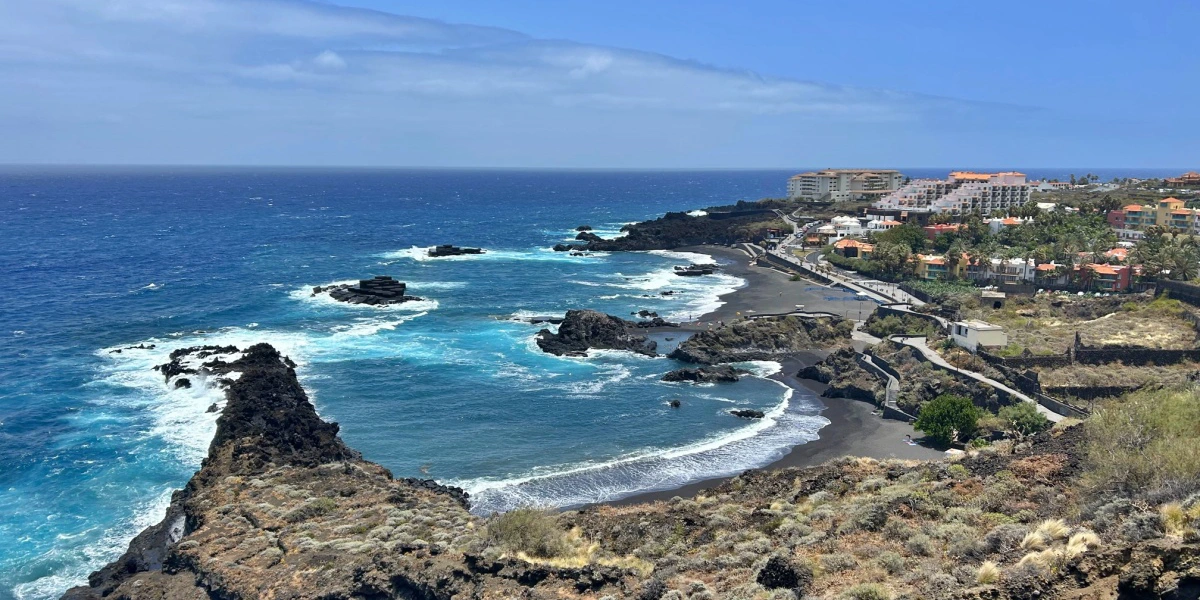
A well-kept seaside promenade runs along the coast, lined with hotels, apartment complexes, restaurants, and cafés. The gastronomic offer is diverse and ranges from Canarian cuisine to international dishes. The holiday offer is complemented by diving schools, small shops, and bars; nightlife is available but overall rather quiet and relaxed.
Another advantage of Los Cancajos is its proximity to the airport, which can be reached in just a few minutes, as well as the good bus connections to Santa Cruz de la Palma. This makes the town suitable both for a classic beach holiday and as a base for excursions around the island. Los Cancajos combines beach, comfort, and a central location and is therefore an attractive choice on La Palma, especially for couples, families, and those seeking relaxation.
Fuencaliente – Winegrowing, volcanoes, and unspoiled La Palma
In the south of the Canary Island of La Palma lies the quiet town of Fuencaliente de La Palma, which is known for its volcanic landscape and its long-standing tradition of winegrowing. The village is situated at an altitude of around 650 to 700 meters above sea level and has a population of about 2.000, giving it a particularly authentic and unspoiled character. Fuencaliente is considered the center of wine production on La Palma, as the vines grow here on fertile black lava fields formed by earlier volcanic eruptions, providing ideal conditions for cultivation.
Winegrowing in Fuencaliente is shaped above all by the Bodega Cooperativa de Fuencaliente, which serves as the town’s central winery and processes the grapes of numerous local winegrowers. Village life is complemented by small cafés and shops along the Carretera General, offering insights into the region’s traditional everyday life.
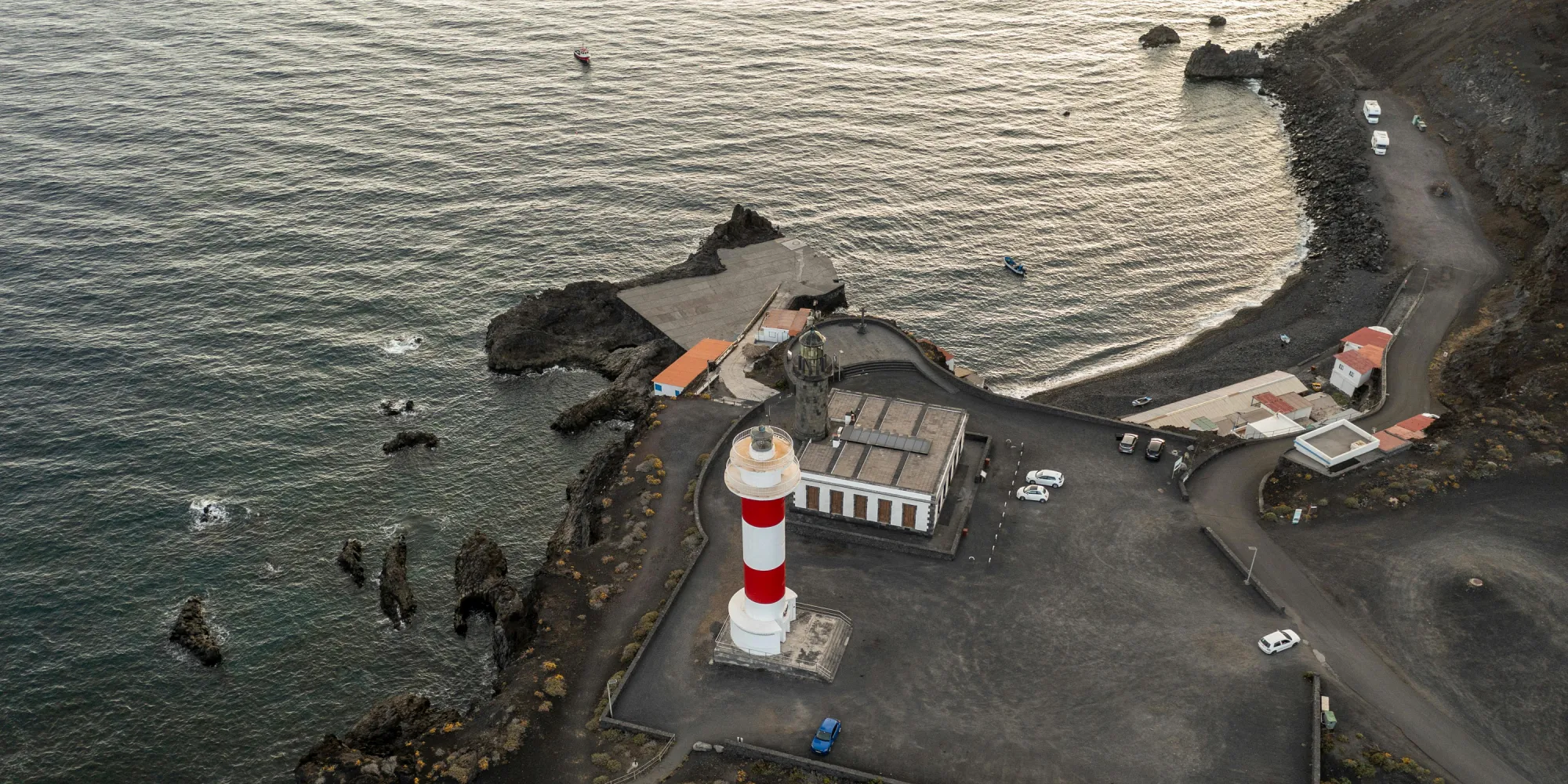
Fuencaliente is also an ideal starting point for exploring the spectacular volcanic landscape in the south of La Palma. From here, you can reach the San Antonio volcano, whose crater rim can be walked along via well-developed paths and offers impressive views over lava fields, the coast, and the Atlantic Ocean. Directly adjacent is a visitor center that provides clear and informative explanations about the volcanic formation of the island. Also nearby is the younger Teneguía volcano, which erupted in 1971, as well as the Fuencaliente salt pans on the coast, which are among the island’s most famous photo motifs.
Fuencaliente combines tranquility, nature, and winegrowing and is therefore a particularly attractive holiday destination on La Palma for hikers, connoisseurs, and nature lovers.
Los Llanos de Aridane – Lively city in the west of La Palma
Los Llanos de Aridane is located in the west of La Palma in the Valle de Aridane and is the island’s second-largest city after Santa Cruz de la Palma. Around 17.000 people live here, making Los Llanos the economic and social center of the west. The particularly nutrient-rich soils of the Aridane Valley have favored intensive agricultural cultivation since the 19th century, especially of bananas, but also avocados, citrus fruits, and other tropical crops. To this day, extensive plantations shape the landscape around the city.
In addition to agriculture, tourism now plays an important role. Los Llanos de Aridane is not a classic seaside resort, but it impresses with its lively city life, its central location, and its good connections to many sights in the west of the island. The city is an excellent base for excursions to Caldera de Taburiente National Park, to Puerto Naos, or to the surrounding volcanic landscapes.
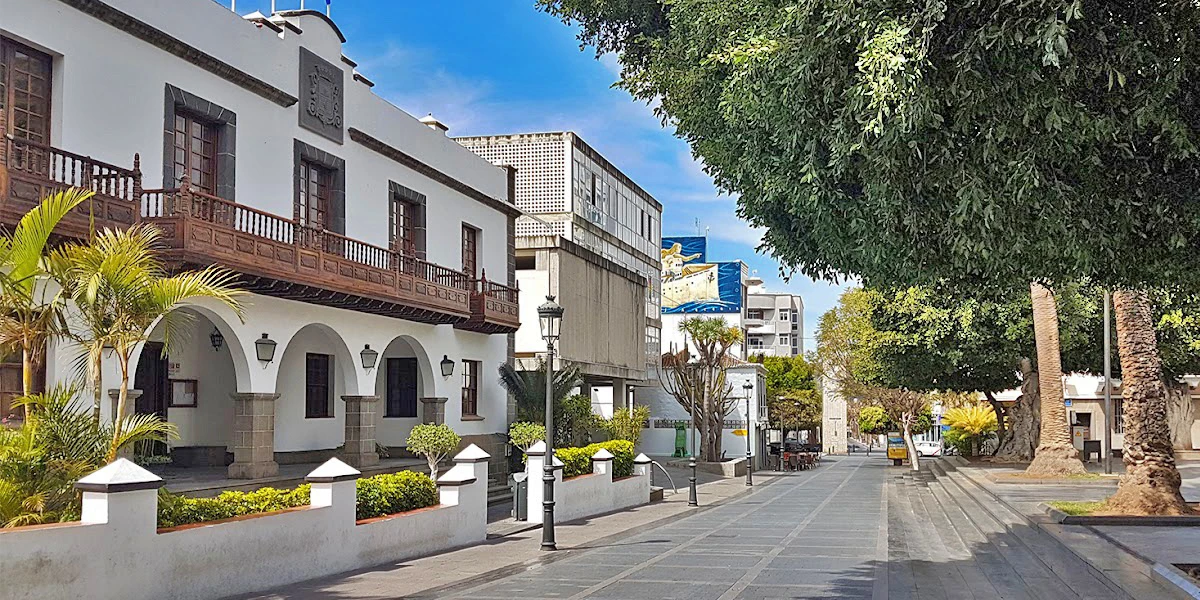
The center of Los Llanos invites visitors to stroll with a wide selection of shops. In addition to well-known retail chains, there are numerous small boutiques, individual craft shops, and a traditional market hall offering local products. Culinarily, the city has a lot to offer: numerous restaurants serve Canarian specialties as well as international cuisine. In the evening, Los Llanos shows its lively side, with bars and music venues providing a comparatively vibrant nightlife.
With its urban flair, proximity to nature, and wide range of leisure activities, Los Llanos de Aridane is particularly attractive for travelers who appreciate culture, good food, and a lively environment while also wanting to explore the natural landscapes of La Palma.
Mazo – Wine, handicrafts, and tradition in the east of La Palma
The municipality of Villa de Mazo is located in the east of the Canary Island of La Palma and is considered a center of winegrowing and handicrafts. In the rural surroundings of the town, grapes grow on fertile volcanic soils that are part of the Denominación de Origen La Palma and reflect a long wine tradition. At the same time, Mazo has made a name for itself as a meeting place for art lovers, as numerous studios and workshops shape the cultural life of the municipality. The town is particularly known for its embroidery as well as for handmade ceramic works, which are deeply rooted in local tradition.
An important social and cultural focal point is the Mercadillo de Mazo, which especially on weekends attracts locals as well as visitors. In the two-story market hall, regional products such as cheese, baked goods, fruit, vegetables, and wines are offered. The selection is complemented by a wide range of handicraft products, including textiles, ceramics, and jewelry made by local artisans. The market therefore offers an authentic insight into the everyday life and craft culture of the island.
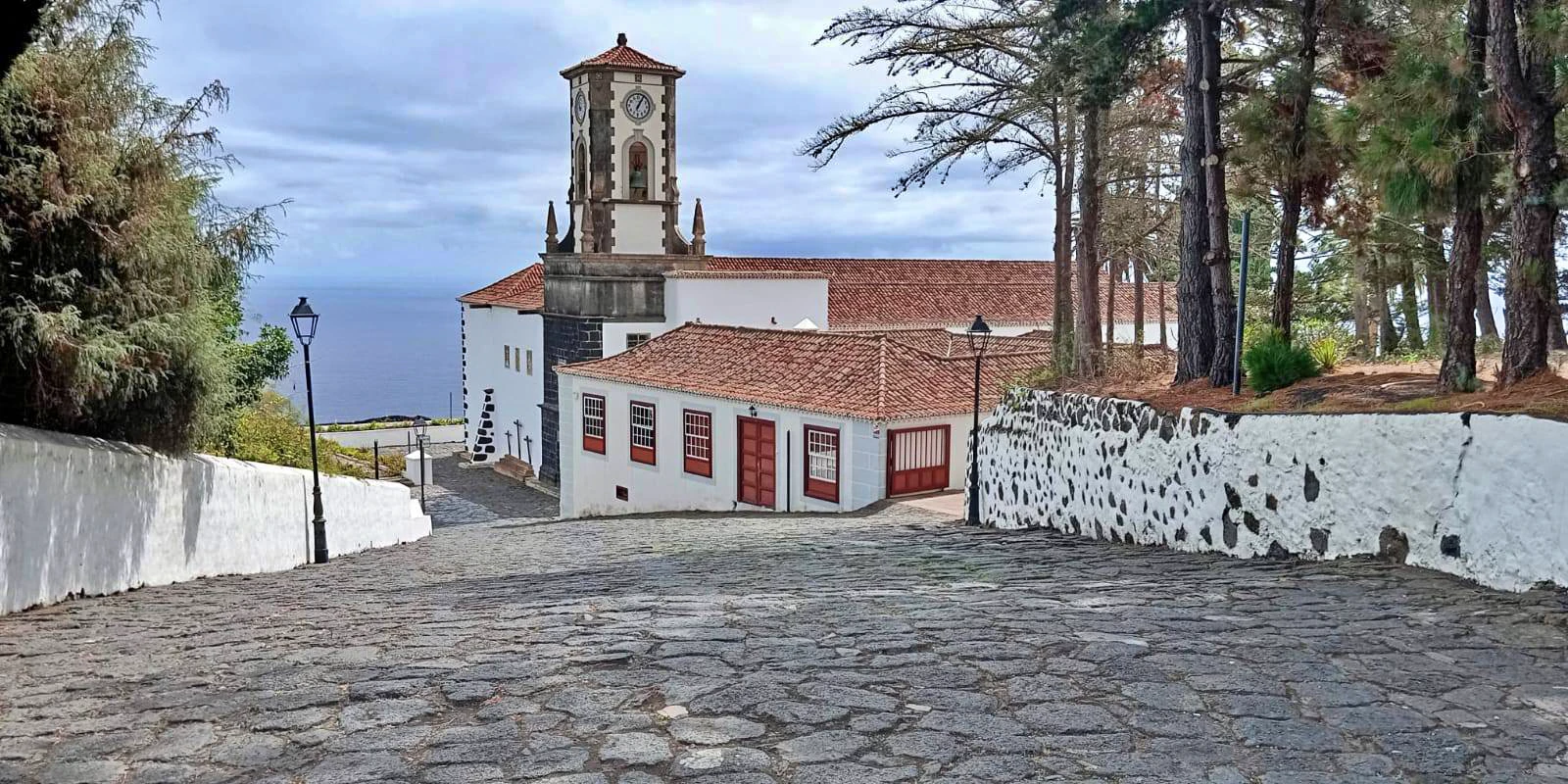
In addition, Mazo is a good starting point for hikes along the east coast or through the surrounding volcanic landscapes. Sights such as the Cueva de Belmaco, one of the most important archaeological sites on La Palma with rock carvings by the island’s original inhabitants, underline the historical significance of the region. Villa de Mazo combines winegrowing, craftsmanship, and tradition and is therefore particularly interesting for travelers who want to discover the unspoiled La Palma away from the tourist centers.
San José de Breña Baja – Quiet holiday resort between nature and coast
San José de Breña Baja is located in the east of La Palma above the coast and belongs to the municipality of Breña Baja. The town is not a classic tourist center, but is particularly well suited for independent travelers who value peace, nature, and an authentic environment. Life here is deliberately relaxed, making San José an ideal retreat away from the busier holiday resorts.
The village nestles idyllically against the green slopes of the eastern side of the island and offers beautiful views over the surrounding landscape all the way to the Atlantic Ocean. Accommodation mainly consists of small, family-run hotels, guesthouses, and holiday apartments that provide a personal atmosphere. Large hotel complexes are nowhere to be found here, which further emphasizes the quiet character of the town.
San José de Breña Baja is also an excellent starting point for hikes and walks through the varied natural landscapes of the region. Well-developed paths lead through forests, past agricultural areas, and up to higher elevations with wide-ranging views. Despite its quiet location, the coast is quickly accessible: the small coves and the beach of Los Cancajos are only a few minutes away by car and offer good opportunities for swimming, snorkeling, and relaxing by the sea.
Thanks to its proximity to La Palma Airport and the island capital Santa Cruz de la Palma, San José de Breña Baja is also well connected in terms of transport. The town combines tranquility, nature, and a central location, making it ideal for travelers who want to experience La Palma individually and away from mass tourism.

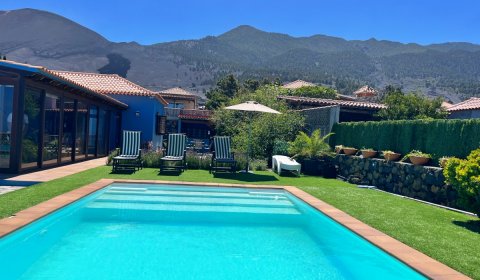
Conclusion: La Palma’s holiday resorts offer variety in a small area
The holiday destinations on La Palma show just how diverse the green Canary Island is despite its manageable size. From lively coastal resorts such as Puerto Naos or Los Cancajos, to culturally rich towns like Santa Cruz de la Palma and Los Llanos de Aridane, to quiet and unspoiled communities such as Fuencaliente, Mazo, or San José de Breña Baja, every type of traveler can find the right place to stay. While some locations impress with beaches, promenades, and tourist infrastructure, others focus on nature, winegrowing, handicrafts, or hiking experiences.
It is precisely this mix that makes a holiday on La Palma so special. La Palma offers the right place for every travel preference while remaining authentic and far removed from mass tourism.
The right accommodation on La Palma
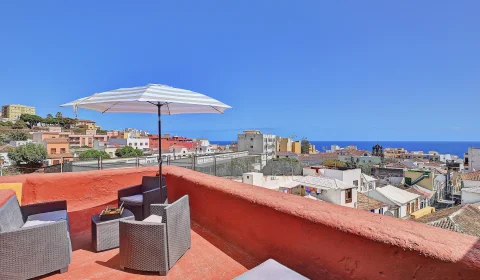
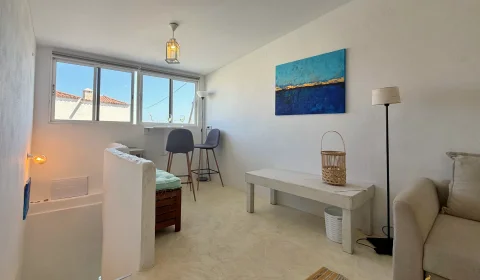
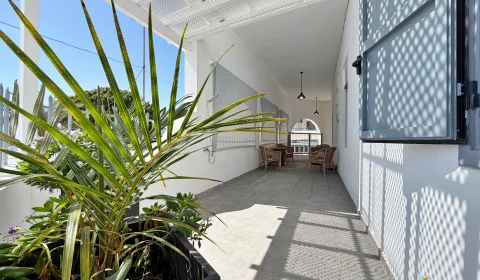
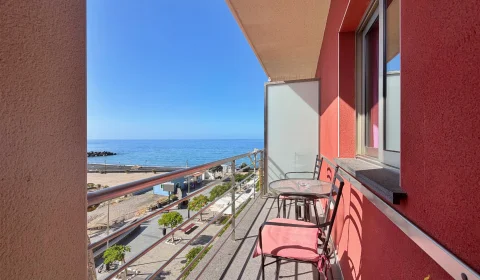
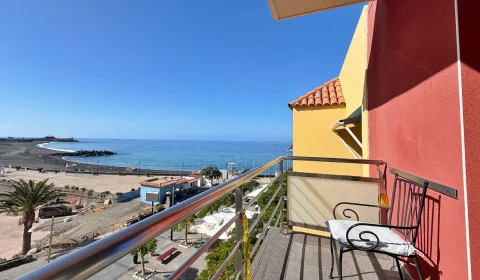
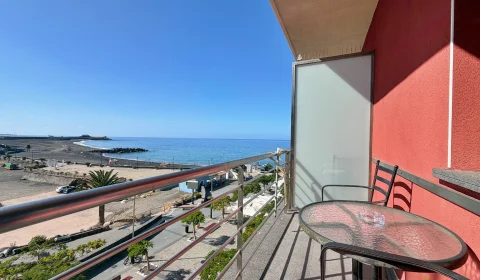
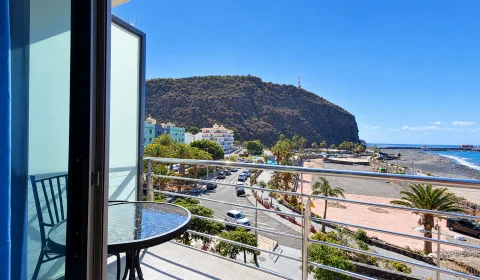
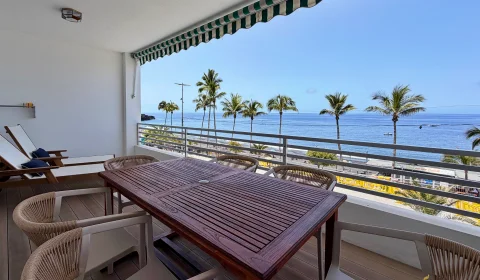
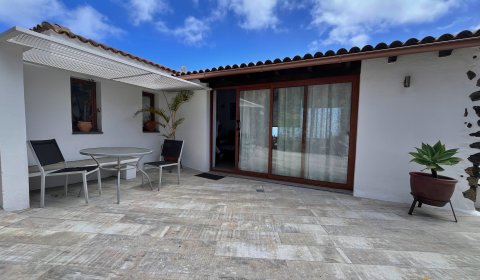
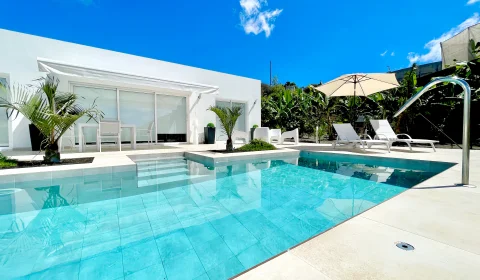
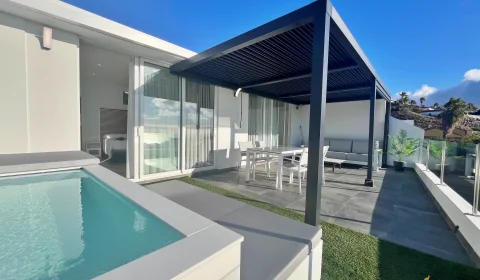
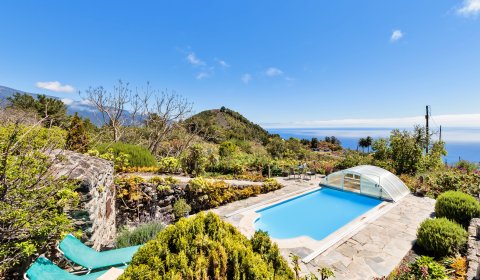
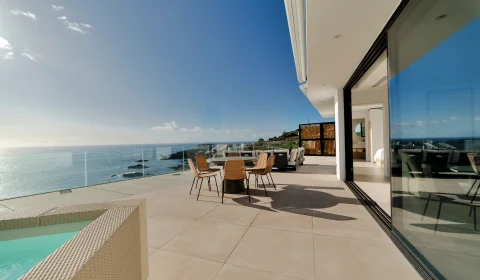
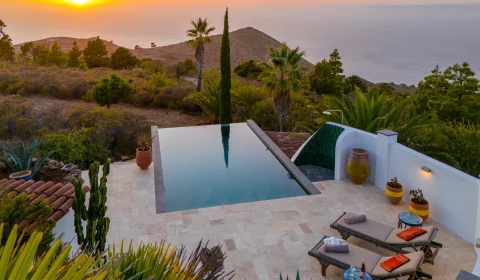
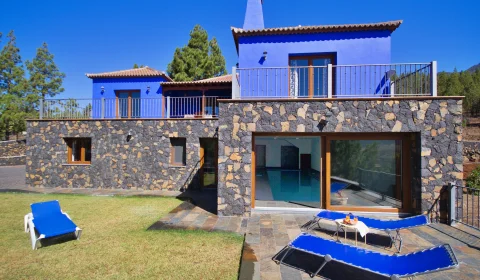
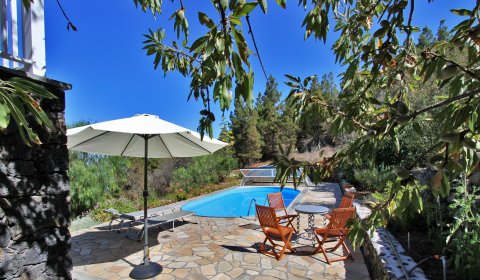
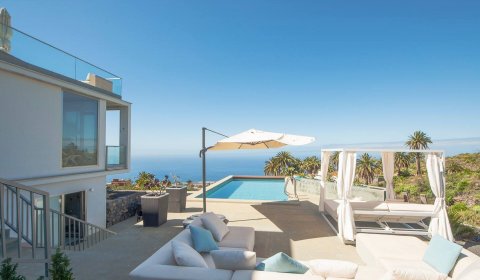
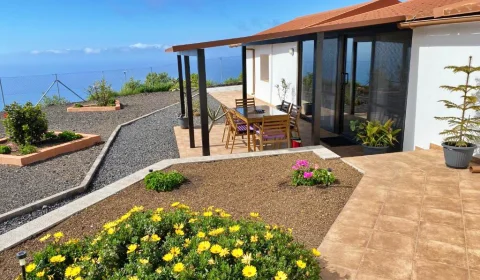
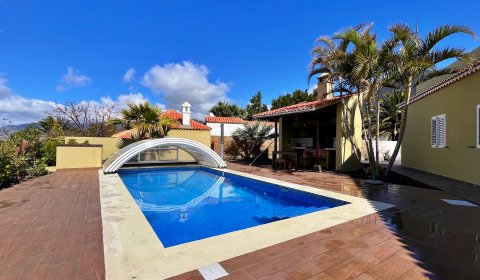
On La Palma, the range of accommodation extends from holiday apartments in Puerto Naos or Los Cancajos to quiet villas and holiday homes in the interior of the island. Many accommodations are close to nature with sea views or centrally located in towns and villages. Thanks to the short distances on the island, almost every accommodation is a good starting point for excursions, hikes, or beach days.
Are you ready to discover La Palma?
Then now is exactly the right moment to plan your next trip.
Our team knows the island personally and will help you find the perfect accommodation – whether directly by the sea, close to hiking trails, or surrounded by nature.
Let our experts advise you – we will accompany you on your perfect La Palma holiday under the sun of eternal spring!
Email:
Phone: +34 675 400 700